

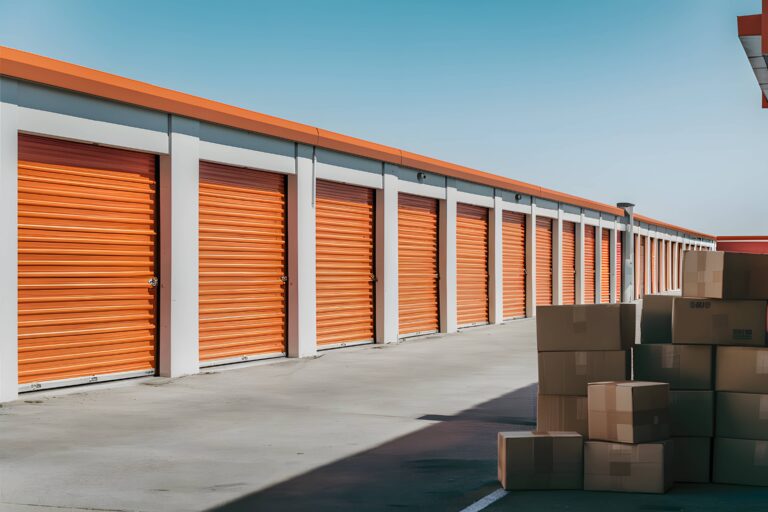
Warehouses and self-storage facilities face unique security challenges that require specialized solutions designed for large-scale asset protection. These facilities concentrate valuable goods in expansive spaces while managing complex access patterns from employees, customers, and service providers. The combination of high-value inventory, multiple access points, and extended operating hours creates security vulnerabilities that traditional approaches cannot adequately address.
The financial stakes are significant. Loss Prevention Magazine reports that cargo theft costs American companies approximately $30 billion annually, with 13% of losses occurring in warehouses and storage areas. Meanwhile, the self-storage industry faces increasing security concerns as facilities expand and criminals develop more sophisticated methods for accessing stored goods. The need for comprehensive security solutions that can scale with facility size while providing reliable protection has never been more critical.
Modern warehouse and self-storage operators are discovering that comprehensive live video monitoring doesn’t just prevent theft—it transforms facility management by providing operational intelligence, customer service enhancement, and liability protection that delivers measurable returns on investment. The most successful facilities are those that recognize security as an integral part of business operations rather than simply a cost center.
Understanding the Security Landscape
The warehouse and self-storage industries operate in a complex security environment where traditional approaches often fall short of providing adequate protection. Understanding these challenges is essential for implementing effective security solutions that address root causes rather than just symptoms.
The Warehouse Theft Crisis
Warehouse theft represents a massive and growing problem for the logistics industry. With the expansion of e-commerce and global supply chains, warehouses have become critical targets for organized criminal operations. These facilities often contain concentrated values of consumer goods, electronics, and other high-demand items that are attractive to thieves.
The challenge is compounded by the sheer scale of modern warehouses. Facilities can span hundreds of thousands of square feet with multiple buildings, loading docks, and storage areas. This size makes comprehensive security coverage difficult and expensive using traditional methods.
Internal theft represents a significant portion of warehouse losses. SupplyChainDive reports that 40% of delivery drivers have been approached to join theft rings, highlighting the insider threat that warehouses face. Employee theft can be particularly damaging because it often goes undetected for extended periods and can involve substantial quantities of goods.
Self-Storage Facility Vulnerabilities
Self-storage facilities face unique security challenges related to their business model and facility design. These facilities typically operate with minimal staffing while providing access to hundreds or thousands of individual storage units containing personal belongings and valuable items.
The self-service nature of these facilities means that customers have extended access to facility areas, creating opportunities for unauthorized activity. The variety of items stored—from household goods to business inventory—makes these facilities attractive targets for different types of criminal activity.
Break-ins can occur through various methods, including unit door manipulation, facility perimeter breaches, and unauthorized access through legitimate entry points. The challenge is detecting and responding to these activities quickly enough to prevent significant losses.
Common Security Challenges
Both warehouse and self-storage facilities share several common security challenges that require specialized solutions:
- Perimeter Security: Large facilities with extensive perimeters require comprehensive coverage that traditional approaches cannot provide cost-effectively. Gaps in perimeter protection create vulnerabilities that criminals can exploit.
- Access Control: Managing access for employees, customers, vendors, and service providers requires sophisticated systems that can differentiate between authorized and unauthorized activity.
- Inventory Protection: Valuable goods concentrated in large spaces require monitoring systems that can detect theft attempts while distinguishing between legitimate and suspicious activity.
- Liability Management: Facilities face significant liability exposure related to customer property protection, employee safety, and premises security. Inadequate security can result in costly legal claims and insurance issues.
- Operational Oversight: Large facilities require management systems that can monitor operations, track activities, and provide accountability for staff and customer interactions.
Why Traditional Security Approaches Fall Short
Many warehouse and self-storage facilities rely on outdated security approaches that provide inadequate protection while consuming significant resources. Understanding these limitations is crucial for implementing effective security solutions.
Passive Recording Systems
Basic security cameras that simply record footage provide minimal real-time protection. By the time theft is discovered through recorded footage, criminals have escaped with valuable goods. These systems offer no deterrent value and cannot prevent incidents from occurring.
The reactive nature of recording systems means facility managers only learn about theft after it has occurred. This creates a constant cycle of loss assessment and recovery efforts rather than proactive prevention.
Limited Guard Coverage
Security guards provide a physical presence that may deter some criminal activity, but they cannot monitor large facilities comprehensively. Human limitations mean guards cannot simultaneously observe multiple areas, and they are vulnerable to fatigue and distraction.
The cost of adequate guard coverage for large facilities often exceeds budgets, particularly for 24/7 coverage. Guards also create additional liability concerns and require management oversight that many facilities prefer to avoid.
Basic Alarm Systems
Traditional alarm systems that only activate after breaches occur provide inadequate protection for facilities with valuable inventory. These systems cannot distinguish between authorized and unauthorized access, leading to false alarms and delayed responses.
The delayed response time associated with alarm systems allows criminals to complete theft activities before appropriate personnel can respond. This is particularly problematic for facilities in remote locations with extended emergency response times.
Inadequate Perimeter Protection
Standard fencing and barriers provide minimal protection against determined criminals. These physical barriers can be breached with basic tools, and they do not provide detection capabilities for unauthorized access attempts.
The large perimeters associated with warehouse and self-storage facilities make comprehensive physical protection expensive and difficult to maintain. Weather damage, normal wear, and intentional breaches create ongoing vulnerabilities.
Live Video Monitoring: The Comprehensive Solution
Live video monitoring represents a fundamental shift from reactive to proactive security management for warehouse and self-storage facilities. By combining advanced technology with professional human oversight, live monitoring systems provide comprehensive protection that addresses security challenges while delivering operational benefits.
Professional 24/7 Monitoring
Live video monitoring provides round-the-clock professional oversight by trained security operators who specialize in warehouse and self-storage facility protection. These professionals monitor multiple facilities simultaneously, providing cost-effective coverage that would be impossible with traditional guard services.
The monitoring centers operate with redundant systems and backup protocols, ensuring continuous coverage even during equipment failures or natural disasters. This reliability is crucial for facilities that require consistent protection to maintain customer confidence and business operations.
Immediate Threat Detection and Response
Advanced AI-powered analytics combined with professional monitoring provide immediate threat detection capabilities that far exceed traditional security systems. The system can identify suspicious behavior patterns, unauthorized access attempts, and potential security threats in real-time.
When threats are detected, monitoring operators can take immediate action through various deterrent methods, including audio warnings, light activation, and direct communication with law enforcement. This rapid response capability prevents incidents from escalating and minimizes potential losses.
Comprehensive Facility Coverage
Live monitoring systems provide simultaneous coverage of all critical areas, including perimeter boundaries, access points, storage areas, and loading docks. This comprehensive approach eliminates blind spots and ensures no area remains vulnerable to security threats.
The system can monitor both indoor and outdoor areas, providing protection for inventory, equipment, and personnel throughout the facility. This complete coverage creates a secure environment that supports business operations while protecting valuable assets.
Integration with Facility Management
Modern live monitoring systems integrate seamlessly with facility management systems, providing operational intelligence that extends beyond security. The system can track employee activities, monitor customer access, and provide documentation for various facility management functions.
This integration creates additional value by supporting operational efficiency while maintaining security coverage. The intelligence provided by monitoring systems helps facility managers optimize operations and improve customer service.
Advanced Technology Features
Modern live monitoring systems incorporate advanced technology features that provide superior protection while delivering valuable operational intelligence for facility managers.
AI-Powered Video Analytics
Artificial intelligence enables monitoring systems to distinguish between normal facility activity and potential security threats. This reduces false alarms while ensuring that genuine threats receive immediate attention from monitoring operators.
The AI systems learn normal patterns for each facility, enabling them to identify unusual activity that may indicate security concerns. This includes detection of unauthorized personnel, unusual access patterns, and suspicious behavior around storage areas.
Perimeter Intrusion Detection
Advanced perimeter detection systems can identify unauthorized access attempts before criminals reach valuable inventory. This early warning capability allows monitoring operators to deter criminal activity before it results in losses.
The system can detect various types of perimeter breaches, including fence cutting, climbing, and vehicle intrusion. This comprehensive detection capability ensures that all potential access methods are monitored effectively.
Access Control Integration
Live monitoring systems integrate with access control systems to provide comprehensive oversight of facility access. The system can verify that access is authorized and alert operators to potential security concerns.
This integration enables facility managers to track employee and customer activities while ensuring that only authorized personnel have access to restricted areas. The system provides detailed logs of all access activities for security and operational purposes.
Inventory Monitoring
Advanced monitoring systems can track inventory movement and identify unauthorized access to storage areas. This capability is particularly valuable for warehouses with high-value goods and self-storage facilities with premium storage units.
The system can detect when inventory is moved outside normal operating procedures and alert operators to potential theft attempts. This proactive approach prevents losses while maintaining efficient operations.
Mobile Access and Control
Facility managers can access live video feeds, receive instant alerts, and coordinate responses from anywhere using mobile devices. This remote capability ensures facility managers can respond to security incidents regardless of their location.
Mobile access also enables facility managers to monitor operations, verify activities, and coordinate with staff and customers. This operational capability adds value beyond security protection.
Measurable Business Benefits
Live video monitoring delivers tangible business benefits that extend far beyond basic security protection. These benefits directly impact facility profitability and create competitive advantages in the warehouse and self-storage markets.
Reduced Theft and Loss
Comprehensive live monitoring significantly reduces theft and loss incidents by providing professional security coverage that deters criminal activity. The system’s ability to detect and respond to threats immediately prevents most incidents from occurring.
The deterrent effect of visible monitoring equipment combined with professional response capabilities creates a security environment that criminals avoid. This protection extends to both facility inventory and customer property, reducing direct losses and liability exposure.
Lower Insurance Costs
Insurance companies increasingly offer reduced premiums for facilities with professional monitoring systems, recognizing the decreased risk these systems provide. These savings can offset monitoring costs while improving overall facility protection.
The comprehensive documentation provided by monitoring systems also supports facility operators in insurance claims and legal proceedings. This protection helps maintain favorable insurance relationships and reduces administrative costs.
Improved Operational Efficiency
Live monitoring systems provide valuable operational insights that help facility managers optimize performance. The system can track employee activities, monitor customer access patterns, and provide documentation for operational analysis.
This operational intelligence enables facility managers to make data-driven decisions about staffing, layout optimization, and customer service improvements. The efficiency gains often justify monitoring costs through improved operational performance.
Enhanced Customer Confidence
Facilities with professional monitoring systems can market their enhanced security capabilities to attract customers who value asset protection. This competitive advantage supports premium pricing and improved customer retention.
The visible security presence also creates a safer environment for customers accessing their stored goods, improving customer satisfaction and reducing liability exposure related to customer safety.
Legal and Liability Protection
Professional monitoring systems provide comprehensive documentation that supports facility operators in legal proceedings and liability claims. This protection is particularly valuable for self-storage facilities that face potential claims related to customer property protection.
The system provides objective evidence of security measures and facility activities, supporting operators in defending against false claims and demonstrating reasonable care in property protection.
Industry-Specific Applications
Different types of warehouse and self-storage facilities require customized security approaches that address specific challenges and requirements.
E-commerce Fulfillment Centers
E-commerce fulfillment centers concentrate high-value consumer goods in large facilities with complex operational requirements. These facilities require monitoring systems that can provide comprehensive coverage while accommodating high-volume order processing activities.
The system must distinguish between normal fulfillment activities and potential security threats while providing detailed documentation of inventory handling and access activities.
Food and Beverage Distribution
Food and beverage distribution facilities face unique security challenges related to product contamination, regulatory compliance, and temperature-sensitive inventory. Monitoring systems must provide comprehensive coverage while supporting compliance with food safety regulations.
The system should integrate with environmental monitoring to ensure that security measures do not compromise product integrity or regulatory compliance.
Self-Storage Facilities
Self-storage facilities require monitoring systems that can provide comprehensive coverage while respecting customer privacy and access requirements. The system must balance security needs with customer convenience and operational efficiency.
The monitoring system should provide detailed access logs, unauthorized access detection, and comprehensive perimeter protection while maintaining efficient customer service operations.
Cold Storage and Specialized Warehouses
Cold storage and specialized warehouses require monitoring systems that can operate effectively in challenging environmental conditions while providing comprehensive asset protection. The system must maintain reliable operation in extreme temperatures and specialized environments.
The monitoring system should provide environmental monitoring capabilities that support both security and operational requirements for specialized storage conditions.
Implementation Strategies
Successful implementation of live video monitoring requires careful planning and coordination with facility operations. Following proven strategies ensures maximum benefits while minimizing disruption to business activities.
Facility Assessment and Planning
The implementation process begins with a comprehensive assessment of facility security needs, including identification of vulnerable areas, evaluation of existing security infrastructure, and analysis of operational requirements.
This assessment should consider facility layout, inventory characteristics, and access patterns to ensure that monitoring systems provide appropriate coverage for all critical areas.
System Design and Integration
Monitoring systems should be designed to integrate seamlessly with existing facility operations and management systems. This includes coordination with access control, inventory management, and customer service systems.
The system design should also consider future expansion and operational changes to ensure that monitoring capabilities can adapt to evolving facility requirements.
Staff Training and Protocols
Facility personnel must understand monitoring system operation and response protocols to ensure effective coordination with monitoring operators. This training should cover system capabilities, response procedures, and communication protocols.
The training should also address customer service integration, ensuring that monitoring systems support customer satisfaction while maintaining security coverage.
Performance Monitoring and Optimization
Regular performance monitoring ensures that monitoring systems provide maximum benefits throughout facility operations. This includes system maintenance, performance analysis, and optimization based on operational experience.
Performance monitoring should also include cost-benefit analysis to demonstrate return on investment and support decision-making for facility improvements.
ROI Analysis and Cost Justification
Live video monitoring provides measurable returns on investment through multiple channels, making it a financially sound decision for facility operators seeking to improve security while controlling costs.
Direct Cost Savings
The most immediate savings come from reduced theft losses, lower insurance premiums, and decreased incident-related expenses. Live monitoring typically costs 50-70% less than equivalent guard coverage while providing superior protection.
The system also reduces costs associated with inventory replacement, operational disruption, and liability claims. These savings often justify monitoring costs within the first year of implementation.
Operational Improvements
Monitoring systems provide operational intelligence that helps facility managers optimize performance and reduce operational costs. This includes insights into staffing efficiency, access patterns, and operational bottlenecks.
The operational improvements enabled by monitoring systems often exceed security costs through improved efficiency and reduced operational overhead.
Customer Satisfaction and Retention
Professional monitoring systems create competitive advantages that support premium pricing and improved customer retention. The enhanced security reputation attracts customers who value asset protection and professional facility management.
Improved customer satisfaction and retention contribute to long-term facility profitability and support sustainable business growth.
Risk Mitigation
Professional monitoring systems significantly reduce various risks associated with facility operations, including theft, liability claims, and regulatory violations. This risk reduction provides value that extends beyond direct cost savings.
The comprehensive documentation provided by monitoring systems also supports facility operators in legal proceedings and insurance claims, protecting long-term financial interests.
Future Trends and Considerations
The warehouse and self-storage security industry continues to evolve with new technologies and capabilities that will further enhance facility protection and operational efficiency.
Advanced AI and Machine Learning
Artificial intelligence capabilities continue to improve, providing more sophisticated threat detection and operational intelligence. Future systems will offer enhanced predictive capabilities that can identify potential security issues before they become incidents.
These advancements will also improve integration with facility management systems, providing more comprehensive operational oversight and optimization capabilities.
IoT Integration
Internet of Things technology enables monitoring systems to integrate with various facility sensors and equipment. This integration provides comprehensive facility intelligence that supports both security and operational objectives.
IoT integration will create more sophisticated monitoring ecosystems that provide enhanced protection while supporting overall facility management efficiency.
Cloud-Based Solutions
Cloud-based monitoring platforms offer improved scalability, reduced infrastructure costs, and enhanced integration capabilities. These solutions enable facility operators to access monitoring services without significant upfront investments in equipment and infrastructure.
Cloud solutions also provide improved reliability through redundant systems and automatic updates that keep security systems current with the latest technologies and capabilities.
Choosing the Right Monitoring Partner
Selecting the appropriate monitoring partner is crucial for achieving maximum benefits from security investments. Facility operators should evaluate potential partners based on specific criteria that ensure reliable, professional service.
Industry Experience
The monitoring partner should have extensive experience with warehouse and self-storage facility security and understand the unique challenges faced by these industries. This experience ensures that monitoring protocols are appropriate for facility environments.
Industry expertise also means the partner understands operational requirements, regulatory considerations, and customer service needs that affect security implementation.
Technology Capabilities
The monitoring partner should offer advanced technology platforms that can adapt to facility requirements and provide the features necessary for comprehensive protection. This includes scalability, integration capabilities, and environmental durability.
Technology capabilities should also include ongoing system updates and maintenance that ensure continued effectiveness and reliability.
Service Quality and Reliability
Facility operations require reliable monitoring services that can provide consistent coverage and professional response capabilities. Service quality includes professional staffing, clear response protocols, and effective communication.
Reliability also means the ability to adapt to changing facility requirements and provide consistent service quality regardless of operational challenges.
Cost-Effectiveness
The monitoring partner should provide clear cost-benefit analysis that demonstrates value for facility operators. This includes transparent pricing, measurable performance metrics, and clear return on investment calculations.
Cost-effectiveness also means providing scalable solutions that can grow with facility needs without requiring significant additional investments.
Taking Action: Implementation Steps
Facility operators ready to implement live video monitoring should follow a systematic approach that ensures successful deployment and maximum benefits.
Facility Assessment
Begin with a comprehensive assessment of facility security needs, including vulnerability analysis, operational requirements, and integration considerations. This assessment should inform system design and implementation planning.
Partner Selection
Evaluate potential monitoring partners based on industry experience, technology capabilities, and service quality. Request detailed proposals that address specific facility requirements and provide clear cost-benefit analysis.
System Deployment
Work with the selected partner to deploy monitoring systems according to facility operations and security requirements. This includes equipment installation, system integration, and comprehensive testing to ensure proper operation.
Performance Monitoring
Establish procedures for ongoing performance monitoring and optimization based on operational experience. This includes regular reviews of system effectiveness and adjustments to ensure maximum benefits.
Conclusion: Securing Facility Success
Live video monitoring represents a fundamental shift in how warehouse and self-storage facilities approach security challenges. By providing comprehensive, professional protection that addresses security threats while delivering operational benefits, live monitoring transforms security from a necessary expense into a strategic advantage.
The evidence is clear: facilities that implement comprehensive monitoring systems experience reduced theft, lower costs, improved operational efficiency, and enhanced customer satisfaction. These benefits create competitive advantages that support long-term success in the warehouse and self-storage industries.
Don’t let security concerns compromise your facility’s success. Professional live video monitoring provides the comprehensive protection and operational intelligence that modern facility management demands. Contact Monitex Security today to learn how our monitoring solutions can protect your facility and support your business success.