24/7 SECURITY
Hospital Security Systems for Healthcare Facilities
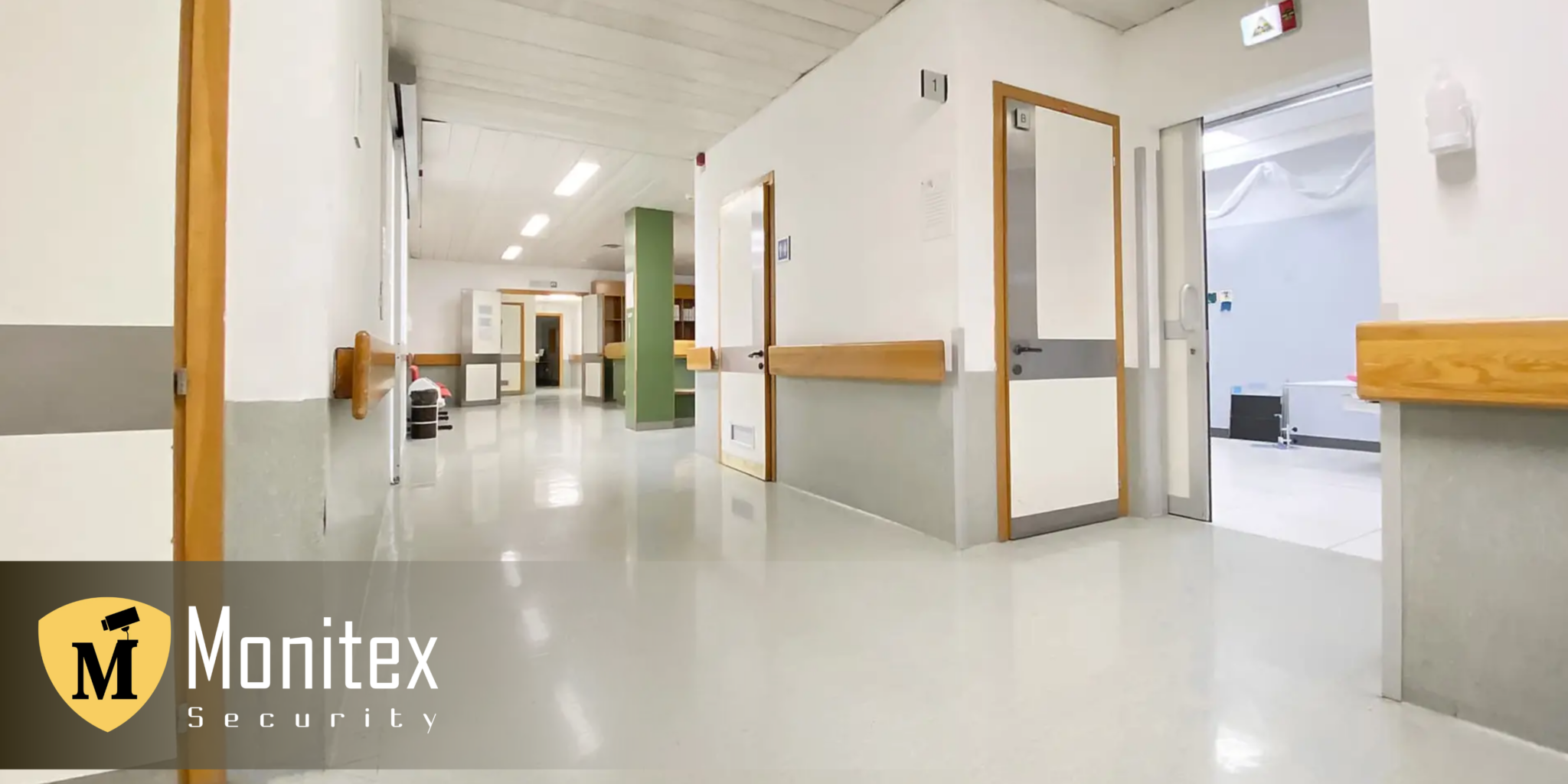
Hospital security systems combine cameras, access control, alarms and on-site security staff to protect patients, staff and medication, but cameras only help if someone is watching them. Monitex Security adds that live layer to hospital and healthcare security systems: trained operators monitor entrances, lobbies, parking areas, loading docks and after-hours buildings for clinics, medical offices and hospitals, warning intruders over on-site loudspeakers, coordinating with on-site security and calling police when needed. It supports a facility’s own security and workplace violence program without replacing it, and it is designed for public and back-of-house areas, not patient care spaces.
Key Takeaways
- A hospital security system has several parts; Monitex provides live monitoring of the cameras you already have.
- Live operators watch around the clock and act while an incident is still unfolding.
- Coverage focuses on entrances, lobbies, parking, loading docks, medication storage approaches and closed buildings, not exam rooms, patient rooms or restrooms.
- Health care and social assistance accounted for 72.8% of private-industry workplace violence cases that required time away from work, job restriction or transfer in 2021–2022, according to BLS.
- Monitoring supports OSHA guidance and Joint Commission workplace violence requirements, but it doesn’t satisfy them on its own.
- Footage that shows patients can count as protected health information, so ask any monitoring provider how it handles HIPAA before you sign.
Hospital Security Systems for Healthcare Facilities, Monitored Live
Healthcare facilities are unusually open. Patients, visitors, vendors and staff come through several entrances, often at all hours. There’s expensive equipment, medication on site and, after the last appointment, a building that sits empty until morning.
Most hospital security systems already include cameras. Not every facility has someone watching them around the clock, especially clinics and smaller sites.
Monitex puts trained operators behind your hospital surveillance cameras, watching live. When someone tries a locked door at night, loiters in the parking garage or heads somewhere they shouldn’t, an operator sees it, speaks up over a loudspeaker and, if needed, calls police or your on-site security team.
Contact For Inquiry to talk through your facility in a free consultation.
What a Hospital Security System Includes
Healthcare security systems are built in layers, and each one has a job:
- Video surveillance. Cameras in healthcare facilities cover entrances, corridors, parking and storage areas, and record what happens there.
- Access control. Badges, keypads and locked doors decide who reaches pharmacies, records rooms and staff-only areas.
- Alarms and panic buttons. Intrusion alarms and duress buttons signal that something is wrong.
- Visitor management. Front desks and check-in systems track who is in the building.
- On-site security staff. Officers patrol, respond and de-escalate.
- Live monitoring. Someone watches the cameras in real time and gets the right people moving. This is healthcare security monitoring, the layer Monitex provides.
Monitex provides the last layer. We don’t replace your cameras, locks or officers. We connect to the medical facility security camera system you already have and make sure it’s watched every hour of the day.
The solution: 24/7 Remote Monitoring
Effective
With every angle covered by our cameras, we secure your center, preventing theft, violence and other crime. We also install loudspeakers around your premises, using them to deter prospective criminals when suspicious activity is noticed.
Economical
Our remote surveillance team saves you hiring an army of live guards. Instead, we monitor the cameras throughout your facility, simultaneously communicating closely with guards on-site.
Advanced Access Control
Integrating comprehensive surveillance and access control, our virtual doorman services allow us to monitor and control access to your premises, as well as specific internal sensitive areas.
No Downtime
With shifts of highly trained virtual guards observing the screens every hour of the day, your medical center is never exposed. Day or night, any time of year, your facility is under our watchful eyes.
Why Healthcare Facilities Need Someone Watching
Violence against health care workers is a documented, ongoing problem. The Bureau of Labor Statistics counted 41,960 nonfatal workplace violence cases requiring days away from work, job restriction or transfer in health care and social assistance over 2021–2022. That was 72.8% of all such cases in private industry.
Property crime is the other half of the picture: equipment and supply theft, break-ins at closed clinics, vehicle break-ins in staff lots, and attempts to reach medication.
Cameras alone record these events. A trained operator watching live can respond: warning someone off, alerting staff early, or getting police moving with an accurate description.
Where Monitoring Matters Most in a Medical Facility
Hospital security cameras are only as useful as the areas they cover and the people watching them. Monitex focuses on the places where security problems in healthcare usually start:
- Emergency department entrances and waiting rooms. Walk-in doors, ambulance bays and crowded waiting areas that stay busy at every hour.
- Main and staff entrances. Who comes in, doors propped open, and people following staff through badge-controlled doors.
- Lobbies and waiting areas. Loitering, escalating behavior and anyone who stays after closing.
- Parking lots and garages. Vehicle break-ins and staff walking to their cars at shift change.
- Loading docks and service corridors. Deliveries, contractors and back doors left unsecured.
- Approaches to medication storage, records and server rooms. Who goes near restricted areas, especially after hours.
- The whole building after hours. Break-in attempts, people on the roof or grounds, and anyone inside a closed clinic.
Where your setup allows it, our team can also monitor and control access to the premises and to sensitive internal areas.
Compliance and Privacy, in Plain Terms
Security vendors often blur the line between supporting compliance and providing it. Here’s what the rules actually say.
HIPAA and Camera Footage
HIPAA protects individually identifiable health information, and its list of identifiers includes full-face photographic images. Footage that shows identifiable patients at a health care facility can therefore fall under HIPAA.
An outside company that creates, receives, maintains or transmits protected health information on a covered entity’s behalf can be a business associate, and HIPAA then requires a written agreement between them, known as a Business Associate Agreement (BAA).
What this means in practice: point cameras at entrances, corridors, parking and storage approaches, not at screens, charts or care spaces, and ask any monitoring provider how it handles footage and whether it will sign a BAA.
Workplace Violence Requirements
OSHA has no healthcare-specific workplace violence standard (its proposed rule is listed as a long-term action with no publication date), but its Guidelines for Preventing Workplace Violence for Healthcare and Social Service Workers list closed-circuit video, inside and outside, among recommended controls.
The guidelines also say staff should know whether video is in use and whether someone is always watching it. With live monitoring, the answer to the second question is yes.
For accredited hospitals, Joint Commission workplace violence prevention requirements took effect on January 1, 2022. They include an annual worksite analysis and a process for continually monitoring, reporting and investigating safety and security incidents. CMS also reminds hospitals that patients have the right to receive care in a safe setting.
Live monitoring can support those programs with real-time response and incident records. It doesn’t satisfy them on its own; the program, training and reporting remain the hospital’s responsibility.
Patient Privacy
The same federal rule gives hospital patients the right to personal privacy. Cameras belong in public and back-of-house areas. They don’t belong in exam rooms, patient rooms, restrooms or changing areas. State laws add their own limits, especially on recording audio, so confirm your setup with counsel.
Controlled Substances
DEA rules require registrants to keep effective controls against theft and diversion of controlled substances, including locked storage. Watching the approaches to medication rooms adds a layer of oversight. It doesn’t replace the locks, logs and procedures the rules require.
Simple Set-up
Getting started with Monitex security can be a matter of a few hours, and never more than a few days.
1
Quote
Our team analyzes your property and any existing security measures, giving you a custom quote for a strong surveillance plan.
2
Install
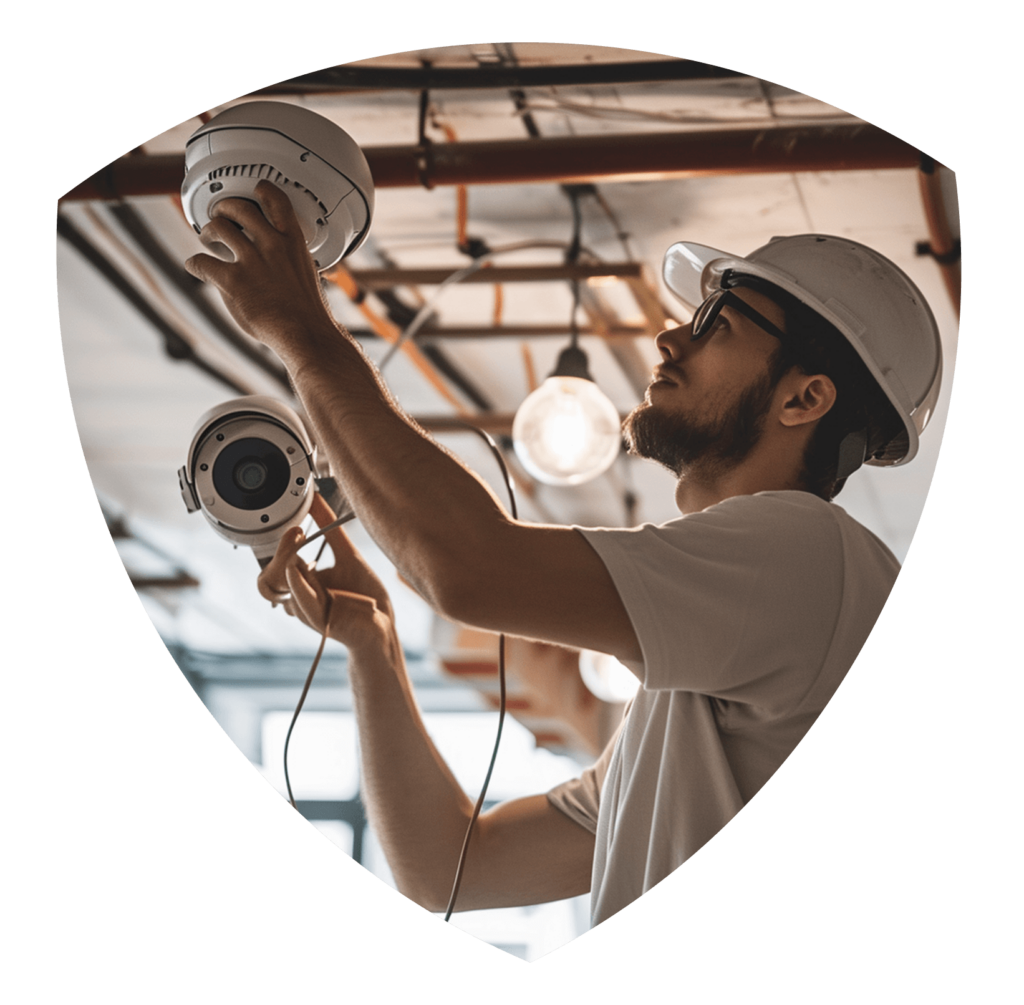
Our technicians install speakers (and more cameras if necessary), connect your CCTV and configure it to integrate with our state-of-the-art system.
3
Stream
Streaming continuous live footage from your site, our remote guards watch out for threats and suspicious activity, reacting swiftly if anything is noticed.
4
Secure
They’ll issue warnings via loudspeaker, dispatch law enforcement where necessary and communicate closely with the police department to apprehend the criminals efficiently.
5
Relax
You’re free to focus on your patients, knowing that under the watchful eyes of our skilled team, your property is safe from damage or theft.
Facilities We Protect
Coverage is planned around how each healthcare facility works:
- Medical offices and outpatient clinics: after-hours protection once the building closes.
- Urgent care and walk-in centers: busy lobbies and late hours.
- Hospital campuses: parking structures, perimeters and loading areas.
- Behavioral health and therapy practices: entrances where staff may be alone.
Learn how the monitoring center works on our live video monitoring solutions page, or read more about hospital workplace violence prevention.
Why Healthcare Facilities Choose Monitex
- Coverage that never clocks out. Shifts of trained operators watch your cameras every hour of the day, all year.
- Works alongside your guards. Operators stay in close contact with on-site security, so your officers hear about problems as they start.
- Built on the cameras you have. We connect your existing CCTV and add loudspeakers or cameras only where needed.
- More coverage per dollar. Live monitoring covers areas and hours that would otherwise need extra guard posts, without the cost of staffing them.
Get reliable, affordable security for your healthcare facilities.

Hospital Security System FAQs
-
What does a hospital security system include?
Usually cameras, access control, intrusion and duress (panic) alarms, visitor management and on-site security officers. Live monitoring connects them by putting someone in front of the cameras in real time.
-
Do hospital security cameras record audio?
Some can, but audio follows stricter rules than video. Federal law allows recording a conversation with one participant's consent, but several states require everyone's consent, and recorded conversations with patients can contain health information. Check your state's rules with counsel before enabling audio. Monitex's loudspeakers are used for live warnings
-
Is it legal to have cameras in patient rooms?
It depends on the purpose, state law and patients' privacy rights, so it's a question for your counsel and privacy officer. Video in patient rooms is generally a clinical observation tool, not security.
-
Does live monitoring replace our security officers?
No. It extends their reach. Operators watch your connected cameras from our monitoring center, alert your officers to what they see, and cover areas and hours your team can't.