

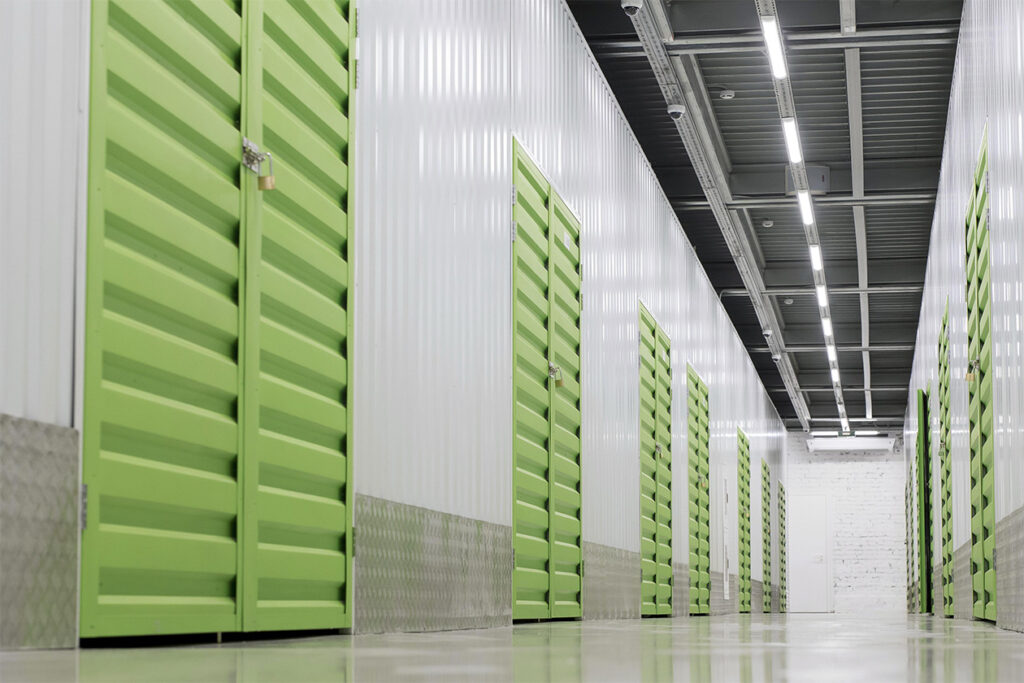
Self-storage facilities present one of the most complex security challenges in commercial real estate, with hundreds or thousands of individual storage units spread across multiple buildings or outdoor areas, each containing valuable personal belongings that criminals actively target. Unlike traditional commercial properties where assets are consolidated and controlled, storage facilities must protect diverse contents belonging to hundreds of customers who have varying schedules, access needs, and security expectations.
The self-storage industry has experienced explosive growth, with over 50,000 facilities nationwide storing more than $24 billion worth of customer belongings. This growth has attracted sophisticated criminal enterprises that specifically target storage facilities because they offer multiple high-value targets in concentrated areas with predictable access patterns and often inadequate security measures.
The statistics are sobering: storage facility break-ins have increased 35% over the past three years, with the average incident resulting in $15,000-$25,000 in customer property losses. More concerning is the liability exposure—facility owners face potential lawsuits from customers who lose valuable items, family heirlooms, business records, and other irreplaceable belongings due to inadequate security measures.
Traditional security approaches fail in the storage facility environment. Basic cameras often lack the coverage needed for sprawling properties, security guards cannot effectively monitor hundreds of individual units, and simple alarm systems create massive false alarm problems when dealing with legitimate customer access around the clock. Meanwhile, customers increasingly expect sophisticated security measures and are willing to pay premium rates for facilities that demonstrate professional protection capabilities.
Modern self-storage facilities require comprehensive security strategies that address multiple threat vectors: external break-ins, internal theft by customers or staff, vandalism, unauthorized access, customer safety incidents, and liability protection. Professional surveillance systems designed specifically for storage facilities provide the multi-layered protection needed while delivering measurable returns through reduced losses, lower insurance premiums, and the ability to charge premium rates for superior security.
This comprehensive guide reveals how modern storage facility security systems address these unique challenges while providing the coverage, reliability, and professional oversight that customers demand and insurance companies require.
Understanding Self-Storage Security Challenges
Unique Vulnerability Factors
Multiple Individual Targets: Storage facilities present criminals with numerous discrete opportunities rather than single high-value targets:
Unit Concentration:
- Hundreds of units in single locations providing multiple break-in opportunities
- Diverse contents from household goods to business inventory and valuable collections
- Varying security levels as customers apply different levels of protection to their units
- Predictable patterns as criminals learn customer access schedules and facility routines
Access Complexity:
- 24/7 customer access creating legitimate activity that masks criminal behavior
- Gate codes and key cards that can be compromised or shared inappropriately
- Multiple entry points including vehicle gates, pedestrian entrances, and building access doors
- Tenant turnover creating constant changes in authorized access and security protocols
Criminal Targeting Patterns
Professional Storage Theft Operations: Modern storage facility criminals use sophisticated methods specifically developed for this environment:
Reconnaissance Activities:
- Unit content assessment through observation of customer loading and unloading activities
- Access pattern analysis identifying peak times and low-supervision periods
- Security system evaluation testing camera coverage, alarm response, and staff attention
- Customer profiling targeting units belonging to affluent customers or businesses
Theft Methodologies:
- Lock cutting and drilling using portable power tools during low-traffic periods
- Gate code theft observing or obtaining customer access codes
- Unit rental exploitation renting units to gain legitimate access for reconnaissance
- Employee collusion bribing or coercing facility staff to provide access or information
Customer Safety and Liability Issues
Premises Liability Exposures: Storage facilities face significant liability risks from various customer safety issues:
Personal Safety Threats:
- Isolated areas where customers may be vulnerable to assault or robbery
- Poor lighting creating dangerous conditions during evening and early morning access
- Vehicle accidents in parking areas and driving lanes within facility property
- Medical emergencies when customers are alone in remote areas of large facilities
Property Loss Liability:
- Inadequate security claims alleging facility owners failed to provide reasonable protection
- Insurance coverage gaps where customer belongings exceed standard coverage limits
- Negligent security lawsuits claiming facility owners knew of security risks but failed to address them
- Business interruption for commercial customers who lose inventory or critical business records
Comprehensive Security Solutions for Self-Storage
Strategic Camera Placement for Storage Facilities
Multi-Layer Coverage Strategy: Effective storage facility security requires comprehensive surveillance addressing all access points and vulnerability areas:
Perimeter and Entry Monitoring:
- Gate coverage capturing all vehicle and pedestrian entry with license plate recognition
- Fence line surveillance detecting climbing attempts and perimeter breaches
- Building entrances monitoring access to climate-controlled and interior storage buildings
- Customer service areas observing office interactions and payment processing
Unit-Level Protection:
- Aisle surveillance providing coverage of individual storage unit access
- High-value area monitoring enhanced coverage for climate-controlled and premium storage sections
- Loading area observation monitoring customer activity during unit access
- Blind spot elimination ensuring no areas exist where unauthorized access can occur undetected
Common Area Security:
- Parking area coverage protecting customer vehicles and monitoring for suspicious activity
- Restroom and utility areas ensuring customer safety in isolated facility areas
- Dumpster and maintenance zones preventing unauthorized access to facility operations areas
- Customer amenities monitoring areas where customers gather or spend extended time
Advanced Technology Integration
Intelligent Access Control Systems: Modern storage facilities require sophisticated access management coordinated with surveillance:
Multi-Factor Authentication:
- Gate code integration correlating access codes with video footage for investigation
- Key card tracking monitoring which customers access which areas and when
- Biometric verification for high-security areas or premium storage sections
- Mobile app access enabling customer convenience while maintaining security documentation
Automated Unit Monitoring:
- Door sensor integration automatically triggering camera recording when units are accessed
- Tamper detection identifying attempts to cut locks or force unit doors
- Unauthorized access alerts notifying facility management of suspicious unit activity
- Customer notification alerting unit renters of unexpected access to their storage spaces
License Plate Recognition (LPR) Systems
Vehicle Tracking and Security: LPR technology provides crucial capabilities for storage facility protection:
Access Documentation:
- Entry/exit logging automatically recording all vehicles entering and leaving facilities
- Customer correlation matching vehicles with specific customer accounts and unit access
- Unauthorized vehicle detection identifying vehicles that shouldn’t be on property
- Investigation support providing detailed vehicle information for incident investigation
Theft Prevention:
- Stolen vehicle alerts automatically detecting vehicles reported stolen by law enforcement
- Suspicious activity identification flagging vehicles that visit multiple times without unit access
- Pattern analysis identifying vehicles associated with criminal activity or facility security incidents
- Evidence collection providing clear vehicle identification for law enforcement and legal proceedings
Industry-Specific Security Strategies
Climate-Controlled Storage Protection
Premium Storage Security: Climate-controlled facilities require enhanced security due to higher-value contents:
Enhanced Monitoring:
- Interior building coverage monitoring all hallways, elevators, and common areas
- Individual floor surveillance ensuring comprehensive coverage across multiple building levels
- HVAC integration coordinating environmental systems with security monitoring
- After-hours alerts enhanced monitoring during periods when climate-controlled access is restricted
High-Value Content Protection:
- Business storage monitoring providing enhanced security for commercial customers storing inventory
- Document storage security protecting legal records, financial documents, and important papers
- Art and collectibles protection specialized monitoring for high-value personal collections
- Electronics storage preventing theft of computers, equipment, and electronic devices
Vehicle and RV Storage Security
Large-Format Storage Protection: Vehicle storage presents unique security challenges requiring specialized approaches:
Perimeter Security:
- Extended coverage areas monitoring large outdoor lots and vehicle storage areas
- Vehicle access monitoring tracking RVs, boats, and vehicles entering and leaving storage areas
- Theft prevention protecting against vehicle theft and parts stripping
- Vandalism detection identifying damage to stored vehicles and property
Customer Vehicle Protection:
- Customer parking security protecting customer vehicles during unit access visits
- Loading assistance monitoring ensuring customer safety during large item moves
- Equipment rental oversight monitoring facility-provided dollies, carts, and moving equipment
- Traffic flow management ensuring safe vehicle movement within facility grounds
Business Storage and Commercial Accounts
Commercial Customer Protection: Business storage requires specialized security addressing commercial liability and operational needs:
Inventory Protection:
- Commercial unit monitoring providing enhanced security for business inventory storage
- Delivery coordination monitoring business customer deliveries and pickup activities
- After-hours business access securing commercial customers who require non-standard access hours
- Chain of custody documentation providing detailed records for business insurance and accounting
Compliance and Documentation:
- Audit trail creation providing detailed access records for business compliance requirements
- Insurance documentation supplying evidence and reports for commercial insurance claims
- Legal discovery support maintaining records and footage for business litigation support
- Regulatory compliance meeting industry-specific storage and security requirements
Customer Safety and Liability Protection
Personal Safety Monitoring
Comprehensive Customer Protection: Storage facilities must ensure customer safety throughout their properties:
Isolated Area Coverage:
- Remote unit monitoring ensuring customers aren’t alone in isolated storage building areas
- Emergency assistance providing immediate help when customers experience problems
- Medical emergency response enabling rapid assistance for heart attacks, injuries, and other health crises
- Personal security protecting customers from assault, robbery, and other violent crimes
Parking and Vehicle Safety:
- Vehicle accident prevention monitoring driving lanes and parking areas for safety hazards
- Customer vehicle protection preventing break-ins and vandalism of customer vehicles
- Loading zone safety ensuring safe customer loading and unloading of storage items
- Traffic control managing vehicle flow and preventing accidents within facility grounds
Incident Documentation and Legal Protection
Comprehensive Evidence Collection: Professional surveillance provides crucial legal protection for facility owners:
Liability Defense:
- Slip and fall documentation recording conditions and circumstances during customer accidents
- Theft investigation support providing evidence for law enforcement and insurance investigations
- Vandalism documentation recording property damage and identifying responsible parties
- Dispute resolution providing objective evidence for customer complaints and conflicts
Insurance Compliance:
- Policy requirement fulfillment meeting insurance carrier security standards
- Claims documentation providing evidence and reports for insurance claim processing
- Risk assessment support demonstrating security measures for insurance underwriting
- Premium reduction qualification meeting requirements for lower insurance rates
Professional Monitoring Services for Storage Facilities
24/7 Live Monitoring Benefits
Continuous Professional Oversight: Storage facilities benefit significantly from professional monitoring services:
Real-Time Threat Detection:
- Break-in prevention immediate intervention when unauthorized access is detected
- Customer assistance providing help when customers experience problems or emergencies
- Vandalism prevention stopping property damage before significant losses occur
- Suspicious activity investigation professional assessment of unusual behavior or potential threats
Emergency Response Coordination:
- Law enforcement notification immediate police contact when crimes are detected
- Fire and medical emergency response coordinating emergency services for customer safety
- Facility management alerts notifying owners and managers of significant incidents
- Customer notification alerting unit renters when their storage areas are accessed inappropriately
Storage-Specific Monitoring Expertise
Industry Knowledge and Experience: Professional monitoring centers develop expertise specific to storage facility operations:
Facility Operations Understanding:
- Customer access patterns recognizing normal versus suspicious activity in storage environments
- Maintenance and operational activity distinguishing between legitimate facility operations and security threats
- Seasonal variations adapting monitoring for peak storage seasons and varying customer activity
- Customer service integration supporting facility customer service through security information
Threat Recognition:
- Storage facility crime patterns understanding specific criminal methods used against storage properties
- Customer behavior analysis identifying legitimate customer activity versus potential theft or vandalism
- Equipment and tool recognition identifying tools and equipment used for breaking into storage units
- Emergency situation assessment properly evaluating and responding to various emergency scenarios
Technology Integration and Smart Facility Features
Mobile and Remote Management
Facility Owner Connectivity: Modern storage facility security provides comprehensive remote oversight:
Mobile Access Features:
- Live camera viewing enabling real-time facility monitoring from any location
- Access control management remote control of gates, doors, and facility access systems
- Alert notifications immediate notification of security events, emergencies, and system issues
- Customer communication integrated systems for customer notifications and facility updates
Multi-Facility Management:
- Centralized oversight managing security for multiple storage facility locations
- Performance comparison analyzing security effectiveness across different properties
- Resource optimization coordinating security investments and monitoring services efficiently
- Standardized procedures implementing consistent security protocols across facility portfolios
Integration with Facility Management Systems
Comprehensive Business System Coordination: Storage facility security integrates with existing business operations:
Rental Management Integration:
- Customer access correlation matching facility access with active rental accounts
- Delinquent account monitoring enhanced security when customers are behind on payments
- Move-in/move-out documentation recording customer activity during rental transitions
- Lease violation detection identifying customers who violate storage facility rules or lease terms
Financial System Coordination:
- Payment processing security monitoring customer service areas during payment transactions
- Cash handling oversight securing daily deposits and cash management procedures
- Audit support providing documentation for financial audits and accounting requirements
- Revenue protection preventing theft of rental payments and facility income
Cost-Effectiveness and ROI for Storage Facilities
Direct Financial Benefits
Measurable Return on Investment: Storage facility security delivers quantifiable benefits through multiple channels:
Loss Prevention Value:
- Customer property protection preventing break-ins that result in $15,000-25,000 average losses
- Facility property protection preventing vandalism and damage to buildings, gates, and infrastructure
- Liability claim reduction avoiding customer lawsuits and insurance claims from inadequate security
- Insurance fraud prevention documenting actual losses and preventing fraudulent insurance claims
Revenue Enhancement:
- Premium pricing capability charging higher rates for facilities with professional security
- Customer retention improvement reducing customer turnover through enhanced security and safety
- Occupancy rate increases attracting security-conscious customers who pay premium rates
- Insurance cost reduction achieving 15-25% premium savings through professional security systems
Operational Efficiency Improvements
Business Process Enhancement: Security systems provide operational benefits beyond loss prevention:
Staff Productivity:
- Remote monitoring capability reducing need for constant on-site supervision
- Automated documentation eliminating manual security logs and incident reporting
- Customer service enhancement using security footage to resolve customer disputes and questions
- Maintenance efficiency monitoring facility conditions and identifying maintenance needs remotely
Customer Experience:
- Safety assurance creating customer confidence through visible security measures
- Access convenience integrating security with customer access systems for seamless operation
- Incident resolution quickly addressing customer concerns with video evidence and documentation
- Premium service positioning differentiating facility through professional security capabilities
Regulatory Compliance and Insurance Requirements
Insurance Carrier Requirements
Meeting Insurance Standards: Storage facility insurance requires specific security measures:
Mandatory Security Features:
- Comprehensive surveillance coverage meeting minimum camera and recording requirements
- Access control systems documenting and controlling customer and employee access
- Lighting requirements ensuring adequate illumination for safety and security
- Perimeter security meeting standards for boundary protection and intrusion detection
Premium Reduction Opportunities:
- Security system discounts typically 15-25% reduction for comprehensive surveillance
- Liability reduction credits additional discounts for documented safety and security measures
- Claims reduction rewards improved rates for facilities with low incident and claim histories
- Risk management collaboration working with insurers to optimize coverage and security requirements
Legal and Regulatory Considerations
Compliance Requirements: Storage facilities must comply with various regulations affecting security and operations:
Privacy and Recording Laws:
- Customer notification informing customers of surveillance monitoring
- Data retention policies following legal requirements for security footage storage
- Access restrictions limiting who can view surveillance footage and under what circumstances
- Evidence standards ensuring surveillance evidence meets legal requirements for admissibility
Safety and Accessibility:
- ADA compliance ensuring security systems don’t interfere with accessibility requirements
- Emergency access maintaining first responder access while securing facility property
- Customer safety obligations providing adequate security for customer protection
- Premises liability meeting legal standards for property owner security obligations
Implementation Strategy for Storage Facility Security
Phased Installation Approach
Strategic Implementation Planning: Large storage facilities benefit from phased security implementation:
Phase 1: Critical Infrastructure
- Main entrance and exit gates ensuring comprehensive access control and monitoring
- Office and customer service areas protecting cash handling and customer interactions
- High-value storage sections focusing on climate-controlled and premium storage areas
- Perimeter monitoring securing facility boundaries and detecting unauthorized access
Phase 2: Unit-Level Coverage
- Aisle surveillance expanding coverage to individual storage unit access areas
- Building entrances monitoring access to all storage buildings and sections
- Loading areas covering customer loading and unloading zones
- Common areas including restrooms, parking, and customer amenity areas
Phase 3: Advanced Integration
- System optimization fine-tuning coverage and performance based on operational experience
- Advanced analytics implementing AI-powered threat detection and behavior analysis
- Mobile enhancements expanding remote access and management capabilities
- Multi-facility coordination connecting security across multiple storage facility locations
Professional Assessment and Design
Customized Security Planning: Each storage facility requires tailored security solutions:
Site-Specific Evaluation:
- Property layout analysis understanding unique geographical and architectural challenges
- Customer profile assessment adapting security for customer demographics and storage needs
- Threat evaluation identifying specific risks based on location, facility type, and local crime patterns
- Budget optimization maximizing security effectiveness within available investment parameters
Technology Selection:
- Camera specifications choosing equipment appropriate for outdoor storage environments
- Access control integration coordinating security with customer access and facility management systems
- Storage requirements calculating capacity needs for comprehensive facility coverage
- Scalability planning ensuring systems can expand with facility growth and changing needs
Maintenance and Environmental Considerations
Outdoor Environment Challenges
Weather Resistance and Durability: Storage facility security equipment faces challenging environmental conditions:
Equipment Protection:
- Weatherproof housing protecting cameras and electronics from rain, snow, and extreme temperatures
- Corrosion resistance ensuring long-term operation in coastal or industrial environments
- Temperature management maintaining operation during extreme heat and cold conditions
- Wind and storm resistance securing mounting systems against severe weather events
Performance Optimization:
- Seasonal adjustments adapting coverage for changing daylight hours and weather conditions
- Lighting coordination ensuring adequate illumination for cameras during all weather conditions
- Network reliability maintaining data transmission during storms and adverse weather
- Power backup systems ensuring continuous operation during electrical outages
Long-Term System Optimization
Continuous Improvement: Storage facility security requires ongoing optimization for maximum effectiveness:
Coverage Analysis:
- Customer traffic patterns analyzing facility usage to optimize camera placement and coverage
- Incident pattern review adjusting security based on actual threat patterns and facility experience
- Technology updates implementing new capabilities and features as they become available
- Performance monitoring ensuring systems maintain optimal effectiveness over time
Expansion Planning:
- Facility growth accommodation designing systems that can expand with facility development
- Technology evolution planning for equipment upgrades and capability enhancements
- Customer demand response adapting security for changing customer expectations and needs
- Competitive advantage maintaining security leadership in local storage facility markets
Future-Proofing Storage Facility Security
Emerging Technologies
Next-Generation Storage Security: Storage facility security continues evolving with advancing technology:
Artificial Intelligence Enhancement:
- Behavioral analytics identifying suspicious activity patterns and potential threats automatically
- Predictive security using AI to anticipate security incidents before they occur
- Customer service automation using AI to enhance customer interactions and facility operations
- Operational optimization analyzing facility usage patterns for efficiency improvements
Integration Advancement:
- IoT connectivity connecting security with facility management, customer service, and operational systems
- Mobile integration enhancing customer experience through security-integrated mobile applications
- Cloud-based management providing scalable, reliable security management platforms
- Smart facility features integrating security with automated lighting, climate control, and access systems
Market Evolution Adaptation
Industry Trend Response: Storage facilities must adapt security for changing industry dynamics:
Customer Expectation Evolution:
- Technology sophistication meeting customer demands for advanced security features
- Transparency requirements providing customers with access to security information and incident reports
- Premium service differentiation using security as competitive advantage for premium pricing
- Corporate customer needs adapting security for business customers with specific requirements
Competitive Advantage:
- Market differentiation using advanced security as primary competitive advantage
- Customer acquisition attracting security-conscious customers willing to pay premium rates
- Brand reputation building reputation for security excellence and customer protection
- Industry leadership positioning facility as security standard-setter in local market
Building a Secure Storage Facility Future
Self-storage facility security has evolved from basic cameras and locks to comprehensive protection ecosystems that safeguard customer belongings while providing facility owners with significant competitive advantages and liability protection. In today’s market, professional security isn’t just about preventing break-ins—it’s about creating customer confidence, enabling premium pricing, and protecting against the substantial liability exposures that can devastate storage facility businesses.
The most successful storage facility owners understand that security investments deliver returns through multiple channels: direct loss prevention, insurance cost reduction, premium pricing capability, customer retention improvement, and liability protection that preserves long-term business viability. Modern storage facility security systems provide not just protection, but business intelligence that helps owners optimize operations, improve customer service, and make data-driven decisions about facility management and expansion.
As the storage industry continues growing and customer expectations rise, comprehensive security strategies become even more critical for competitive success. Facilities that invest in professional security systems today position themselves for long-term market leadership by providing the protection and peace of mind that customers increasingly demand and are willing to pay premium rates to obtain.
The key to successful storage facility security lies in comprehensive coverage that addresses all vulnerability areas—unit protection, customer safety, facility operations, and liability prevention—while integrating seamlessly with business operations and providing measurable returns on investment. Professional assessment and implementation ensure that security systems enhance rather than complicate facility operations while delivering the superior protection that drives customer satisfaction and business success.
Ready to protect your storage facility investment with comprehensive security solutions? Contact Monitex Security today for a specialized storage facility security assessment. Our security experts understand the unique challenges facing storage facility owners and will design a customized system that protects customer belongings, reduces liability exposure, and delivers measurable ROI through reduced losses, insurance savings, and premium pricing capabilities.
Frequently Asked Questions
How much can professional security reduce break-ins and theft at storage facilities?
Professional storage facility surveillance systems typically reduce break-ins by 70-85% through deterrence and immediate intervention. For facilities experiencing 10-15 incidents annually, this represents $150,000-$300,000 in prevented losses, often fully offsetting security system costs within the first year.
Do I need cameras on every storage unit aisle or just main areas?
Comprehensive protection requires aisle-level coverage to document unit access and deter break-ins. However, strategic camera placement can provide overlapping coverage that monitors multiple aisles efficiently, reducing total camera count while maintaining complete protection.
How do I handle customer privacy concerns with comprehensive surveillance coverage?
Proper signage, clear policies, and customer education address most privacy concerns. Emphasize that surveillance protects customer belongings and enhances safety, while ensuring cameras focus on common areas and unit doors rather than unit interiors during access.
Can security systems integrate with my existing gate access and rental management software?
Modern storage facility security platforms integrate with most gate systems, access control, and facility management software. This integration provides comprehensive documentation of customer access, automated alerts for suspicious activity, and streamlined incident investigation.
What’s the typical ROI timeline for storage facility security system investment?
Most storage facilities see positive ROI within 12-18 months through prevented losses, insurance premium reductions, and ability to charge premium rates. The combination of loss prevention and revenue enhancement often provides 200-400% ROI over 3-5 years.
Do insurance companies require specific security features for storage facility coverage?
Most insurance carriers require comprehensive surveillance, access control, and lighting for storage facility coverage. Professional security systems often qualify for 15-25% premium discounts while ensuring compliance with carrier requirements for claims coverage.
How do I protect outdoor storage areas and vehicle storage sections effectively?
Outdoor storage requires weather-resistant cameras with extended range capabilities, perimeter monitoring, and license plate recognition systems. Professional installation ensures coverage that withstands environmental challenges while providing clear identification and evidence quality footage.