
Last updated:
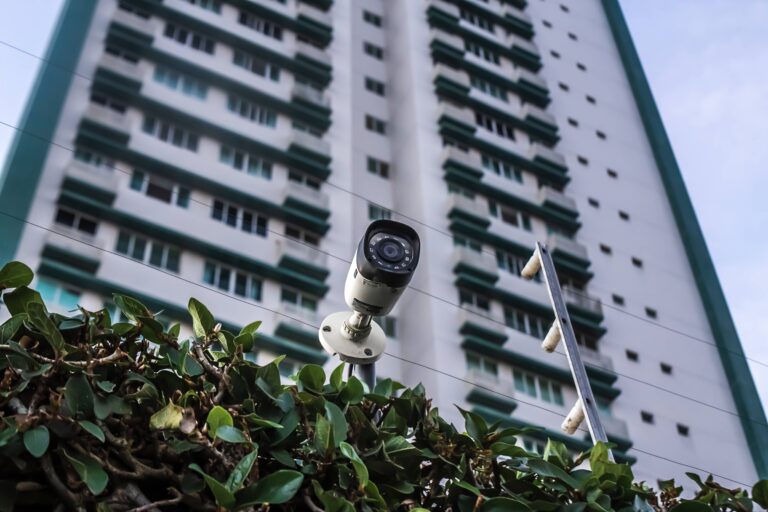
Property management has evolved dramatically over the past decade, with security concerns becoming increasingly complex and costly. Traditional approaches—basic cameras, occasional patrols, and reactive security measures—no longer meet the sophisticated demands of modern residential buildings. Property managers are discovering that comprehensive live video monitoring doesn’t just protect residents; it transforms security from a necessary expense into a strategic advantage that reduces liability, increases property values, and delivers measurable returns on investment.
The stakes have never been higher. Multi-family residential communities face unprecedented security challenges, from package theft and unauthorized access to resident safety concerns and liability issues that can devastate property values and reputation. Smart property managers are turning to live video monitoring as the comprehensive solution that addresses these challenges while delivering tangible business benefits.
The Security Crisis Facing Modern Property Management
Today’s property managers confront a perfect storm of security challenges that traditional approaches simply cannot address effectively. The complexity of modern residential buildings, combined with evolving criminal tactics and increased liability exposure, demands sophisticated security solutions that go far beyond basic cameras and alarms.
Package Theft: The $5 Billion Problem
Package theft has reached epidemic proportions, with approximately 90,000 packages stolen daily in New York City alone. For property managers, this represents more than just frustrated residents—it creates liability concerns, resident retention issues, and reputation damage that can impact property values. Multi-family residential properties are particularly vulnerable, with packages accumulating in lobbies and common areas during business hours when most residents are away.
The financial impact extends beyond the stolen items themselves. Property managers face increased insurance claims, resident turnover costs, and the expense of implementing additional security measures. Without proactive monitoring, package theft incidents can escalate into broader security concerns that affect the entire property.
Unauthorized Access and Loitering
Residential properties attract various forms of unauthorized access, from opportunistic trespassers to organized criminal activity. Loitering in common areas, parking lots, and building entrances creates safety concerns that can make residents feel unsafe in their own homes. When residents don’t feel secure, they seek alternative housing options, resulting in higher turnover rates and increased vacancy costs.
The challenge is particularly acute in properties with multiple entry points, extensive common areas, and limited natural surveillance. Traditional security measures often leave gaps that sophisticated criminals can exploit, while basic camera systems only provide evidence after incidents occur.
Liability Exposure and Legal Risks
Property managers face significant liability exposure related to security incidents. Inadequate property management security systems can result in costly lawsuits, particularly when incidents occur in areas where residents have a reasonable expectation of safety. Courts increasingly expect property managers to implement reasonable security measures, and failure to do so can result in substantial financial judgments.
The legal landscape continues to evolve, with property managers held to higher standards of care regarding resident safety. This includes adequate lighting, functional security systems, and appropriate response protocols. Live video monitoring provides the documentation and professional response capabilities that courts expect from responsible property management.
Insurance Costs and Claims Management
Security-related insurance claims can dramatically impact property management costs. Theft, vandalism, and personal injury claims related to security incidents result in higher premiums and increased deductibles. Property managers need security solutions that not only prevent incidents but also provide the documentation necessary to defend against fraudulent claims.
Insurance companies increasingly recognize the value of comprehensive security systems, offering reduced premiums for properties with professional monitoring capabilities. This creates an opportunity for property managers to offset security costs through insurance savings while improving overall protection.
Why Traditional Security Approaches Fall Short
Many property managers rely on outdated security approaches that provide inadequate protection while consuming significant resources. Understanding these limitations is crucial for making informed decisions about comprehensive security solutions.
Passive Recording Systems
Basic security cameras that simply record footage for later review provide minimal protection against active threats. By the time incidents are discovered and reviewed, criminals have typically escaped, and damage has already occurred. These systems offer no deterrent value and cannot prevent incidents from escalating.
The reactive nature of passive systems means property managers only learn about security incidents after they’ve impacted residents and property. This creates a constant cycle of incident response rather than proactive prevention.
Limited Guard Coverage
Security guards provide a physical presence that can deter some criminal activity, but they cannot be everywhere at once. Human limitations mean guards cannot simultaneously monitor multiple areas, and they are vulnerable to fatigue, distraction, and physical confrontation.
The costs of adequate guard coverage for comprehensive protection often exceed budgets, particularly for properties requiring 24/7 coverage. Guard services also create additional liability concerns and administrative overhead that many property managers prefer to avoid.
Inconsistent Response Times
Traditional security systems often suffer from delayed response times due to false alarms, communication issues, and coordination challenges. By the time appropriate personnel arrive on scene, incidents may have escalated beyond manageable levels.
The lack of immediate verification means law enforcement may not prioritize responses to security alarms, further delaying effective intervention. This creates a gap between incident detection and response that criminals can exploit.
Live Video Monitoring: The Comprehensive Solution
Live video monitoring represents a fundamental shift from reactive to proactive security management. By combining advanced technology with professional human oversight, live monitoring systems provide comprehensive protection that addresses the root causes of security challenges while delivering measurable business benefits.
Professional 24/7 Monitoring
Live video monitoring provides round-the-clock professional oversight by trained security operators who specialize in residential property protection. These professionals monitor multiple properties simultaneously, providing cost-effective coverage that would be impossible with traditional guard services.
The monitoring centers operate with redundant systems and backup protocols, ensuring continuous coverage even during equipment failures or natural disasters. This reliability is crucial for properties that require consistent protection to maintain resident safety and property values.
Immediate Threat Detection and Response
Advanced AI-powered analytics combined with professional monitoring provide immediate threat detection capabilities that far exceed traditional security systems. The system can identify suspicious behavior patterns, unauthorized access attempts, and potential security threats in real-time.
When threats are detected, monitoring operators can take immediate action through various deterrent methods, including audio warnings, light activation, and direct communication with law enforcement. This rapid response capability prevents incidents from escalating and minimizes potential damage.
Comprehensive Property Coverage
Live monitoring systems provide simultaneous coverage of all critical areas, including entrances, parking areas, common spaces, and perimeter boundaries. This comprehensive approach eliminates blind spots and ensures no area remains vulnerable to security threats.
The system can monitor both indoor and outdoor areas, providing protection for residents accessing their homes, using amenities, and moving throughout the property. This complete coverage creates a secure environment that residents can rely on.
Integration with Property Management Systems
Modern live monitoring systems integrate seamlessly with existing property management infrastructure, including access control systems, virtual doorman services, intercom networks, and emergency response protocols. This integration creates a unified security ecosystem that enhances overall property management efficiency.
The integration capabilities enable property managers to coordinate security responses with other property operations, ensuring appropriate personnel are notified and proper procedures are followed during security incidents.
Measurable Business Benefits for Property Managers
Live video monitoring delivers tangible business benefits that extend far beyond basic security protection. These benefits directly impact property management profitability and create competitive advantages in the residential market.
Reduced Liability and Insurance Costs
Comprehensive live monitoring significantly reduces liability exposure by providing professional security coverage that meets or exceeds industry standards. The system’s ability to document incidents and provide evidence supports property managers in legal proceedings and insurance claims.
Insurance companies increasingly offer reduced premiums for properties with professional monitoring systems, recognizing the decreased risk these systems provide. These savings can offset monitoring costs while improving overall property protection.
Enhanced Property Values
Properties with comprehensive security systems command higher rental rates and maintain better occupancy levels. Residents are willing to pay premium rates for properties that provide professional security protection, and they tend to renew leases more frequently when they feel safe.
The enhanced reputation that comes with professional security also attracts higher-quality tenants who value safety and security. This creates a positive cycle that improves property performance and long-term value.
Improved Resident Retention
Residents who feel safe and secure in their homes are more likely to renew leases and recommend the property to others. Live monitoring provides the visible security presence that residents desire while avoiding the intrusive nature of constant guard presence.
The professional response capabilities also mean residents receive immediate assistance during security incidents, creating positive experiences that build loyalty and trust. This improved resident satisfaction translates directly into reduced turnover costs and improved occupancy rates.
Operational Efficiency
Live monitoring systems provide valuable operational insights that help property managers optimize their operations. The system can track maintenance issues, monitor contractor activities, and provide documentation for various property management functions.
This operational intelligence enables property managers to make data-driven decisions about property improvements, maintenance scheduling, and resource allocation. The efficiency gains often justify monitoring costs through improved property management performance.
Technology Features That Make the Difference
Modern live monitoring systems incorporate advanced technology features that provide superior protection while delivering valuable business intelligence for property managers.
AI-Powered Analytics
Artificial intelligence enables monitoring systems to distinguish between normal activity and potential security threats. This reduces false alarms while ensuring that genuine threats receive immediate attention from monitoring operators.
The AI systems learn normal patterns for each property, enabling them to identify unusual activity that may indicate security concerns. This proactive approach prevents incidents from escalating while minimizing disruption to normal property operations.
Mobile Access and Control
Property managers can access live video feeds, receive instant alerts, and coordinate responses from anywhere using mobile devices. This remote capability ensures property managers can respond to security incidents regardless of their location.
The mobile access also enables property managers to provide remote support to residents, contractors, and service personnel, improving overall property management efficiency and resident satisfaction.
Integration with Smart Building Systems
Live monitoring systems integrate with smart building technologies to provide comprehensive property management solutions. This includes coordination with lighting systems, HVAC controls, and fire safety systems to create a unified building management platform.
The integration capabilities enable property managers to optimize building operations while maintaining security coverage, creating operational efficiencies that improve property performance.
Video Analytics and Reporting
Advanced video analytics provide detailed insights into property activities, including traffic patterns, maintenance issues, and security incidents. These analytics enable property managers to make informed decisions about property improvements and security enhancements.
The reporting capabilities also provide valuable documentation for insurance purposes, legal proceedings, and regulatory compliance, supporting property managers in various administrative functions.
Implementation Best Practices
Successful implementation of live video monitoring requires careful planning and coordination with property management operations. Following best practices ensures maximum benefits while minimizing disruption to residents and property operations.
Comprehensive Property Assessment
The implementation process begins with a thorough assessment of property security needs, including identification of vulnerable areas, evaluation of existing security infrastructure, and analysis of resident concerns and requirements.
This assessment ensures that the monitoring system addresses specific property challenges while providing comprehensive protection for all areas and activities. The assessment also identifies opportunities for integration with existing systems and processes.
Strategic Camera Placement
Effective monitoring requires strategic camera placement that maximizes coverage while respecting resident privacy. Cameras should cover all common areas, entrances, and parking areas while avoiding private spaces where residents have reasonable expectations of privacy.
The placement strategy should also consider lighting conditions, potential obstructions, and maintenance requirements to ensure reliable operation and optimal image quality.
Staff Training and Integration
Property management staff must be trained on monitoring system operation, response protocols, and integration with existing procedures. This training ensures that property managers can effectively coordinate with monitoring operators and respond appropriately to security incidents.
The training should also cover resident communication protocols, ensuring that residents understand the security measures in place and how to interact with the monitoring system when necessary.
Resident Communication and Education
Clear communication with residents about monitoring system capabilities helps build support and cooperation while addressing privacy concerns. Residents should understand how the system protects their safety while respecting their privacy rights.
Educational materials should explain the benefits of professional monitoring, how the system works, and how residents can report security concerns or access assistance when needed.
ROI Analysis and Cost Justification
Live video monitoring provides measurable returns on investment through multiple channels, making it a financially sound decision for property managers seeking to improve security while controlling costs.
Direct Cost Savings
The most immediate savings come from reduced security guard costs, lower insurance premiums, and decreased incident-related expenses. Live monitoring typically costs 50-70% less than equivalent guard coverage while providing superior protection.
The system also reduces costs associated with property damage, theft, and liability claims. These savings often justify monitoring costs within the first year of implementation.
Revenue Enhancement
Properties with professional security systems can command higher rental rates and maintain better occupancy levels. The enhanced reputation and resident satisfaction that come with comprehensive security create competitive advantages that translate into increased revenue.
The improved resident retention also reduces turnover costs, marketing expenses, and vacancy losses, contributing to overall property profitability.
Long-term Value Creation
Professional security systems contribute to long-term property value by maintaining property conditions, reducing crime rates, and creating desirable living environments. These factors support property appreciation and make properties more attractive to potential buyers.
The comprehensive documentation provided by monitoring systems also supports property management in legal proceedings and insurance claims, protecting long-term financial interests.
Success Stories and Case Studies
Real-world implementations of live video monitoring demonstrate the tangible benefits that property managers can achieve through comprehensive security solutions.
Urban Apartment Complex
A 200-unit apartment complex in Manhattan implemented live video monitoring after experiencing increasing package theft and unauthorized access issues. Within six months, security incidents decreased by 89%, resident satisfaction scores improved by 34%, and insurance premiums were reduced by 22%.
The property manager reported that residents felt safer and were more likely to renew leases, resulting in improved occupancy rates and increased rental income. The monitoring system paid for itself within eight months through reduced security costs and improved property performance.
Suburban Multi-Family Community
A suburban property management company implemented live monitoring across five properties totaling 800 units. The system reduced security-related incidents by 76% while improving operational efficiency through integrated monitoring and reporting capabilities.
The property manager reported significant improvements in resident retention, with lease renewal rates increasing by 28% and average rental rates improving by 12%. The enhanced reputation also attracted higher-quality tenants who valued the professional security presence.
Mixed-Use Development
A mixed-use development with residential and commercial components implemented live monitoring to address complex security challenges. The system provided coordinated protection for both residential and commercial areas while supporting the property management company’s expansion plans.
The comprehensive monitoring enabled the property management company to win additional contracts based on their demonstrated security capabilities and operational efficiency. The competitive advantage created by professional monitoring supported business growth and increased profitability.
Choosing the Right Monitoring Partner
Selecting the appropriate live monitoring partner is crucial for achieving maximum benefits from security investments. Property managers should evaluate potential partners based on specific criteria that ensure reliable, professional service.
Industry Experience and Expertise
The monitoring partner should have extensive experience with residential property security and understand the unique challenges faced by property managers. This experience ensures that monitoring protocols are appropriate for residential environments and that operators can respond effectively to various situations.
Industry expertise also means the partner understands regulatory requirements, insurance considerations, and best practices for residential security management.
Technology Capabilities
The monitoring partner should offer advanced technology platforms that integrate with existing property management systems and provide the features necessary for comprehensive protection. This includes AI-powered analytics, mobile access capabilities, and reporting tools that support property management operations.
Technology capabilities should also include scalability to support property portfolio growth and adaptation to changing security requirements.
Response Protocols and Procedures
Clear response protocols ensure that monitoring operators take appropriate action during security incidents. These protocols should be customized for each property and should coordinate with local law enforcement, property management staff, and emergency services.
The procedures should also include escalation protocols for different types of incidents and clear communication procedures for keeping property managers informed about security activities.
Service Level Agreements
Comprehensive service level agreements define performance expectations, response times, and quality standards for monitoring services. These agreements protect property managers by ensuring consistent service delivery and providing recourse for performance issues.
The agreements should also specify equipment maintenance responsibilities, system upgrade procedures, and support services that ensure reliable operation.
Future Trends and Considerations
The live video monitoring industry continues to evolve with new technologies and capabilities that will further enhance property management security. Understanding these trends helps property managers make informed decisions about security investments.
Artificial Intelligence Advancement
AI capabilities continue to improve, providing more sophisticated threat detection and reducing false alarms. Future systems will offer enhanced predictive capabilities that can identify potential security issues before they become incidents.
These advancements will also improve integration with other smart building systems, creating more comprehensive property management solutions that optimize both security and operational efficiency.
Cloud-Based Solutions
Cloud-based monitoring platforms offer improved scalability, reduced infrastructure costs, and enhanced integration capabilities. These solutions enable property managers to access monitoring services without significant upfront investments in equipment and infrastructure.
Cloud solutions also provide improved reliability through redundant systems and automatic updates that keep security systems current with the latest technologies and capabilities.
Regulatory Developments
Evolving regulations regarding privacy, data protection, and security requirements will influence monitoring system design and operation. Property managers should choose partners who stay current with regulatory changes and can adapt systems to meet new requirements.
Understanding regulatory trends also helps property managers prepare for future compliance requirements and avoid potential legal issues related to security system operation.
Taking Action: Implementation Steps
Property managers ready to implement live video monitoring should follow a systematic approach that ensures successful deployment and maximum benefits.
Initial Assessment and Planning
Begin with a comprehensive assessment of current security measures, identified vulnerabilities, and property-specific requirements. This assessment should include consultation with residents, staff, and local law enforcement to ensure all perspectives are considered.
The planning process should also include budget considerations, timeline development, and coordination with other property improvement projects to maximize efficiency and minimize disruption.
Partner Selection and Contracting
Evaluate potential monitoring partners based on the criteria outlined above, including industry experience, technology capabilities, and service quality. Request proposals that specifically address property requirements and provide detailed cost analysis.
The contracting process should include clear service level agreements, performance metrics, and procedures for system updates and maintenance.
System Deployment and Testing
Work with the selected partner to deploy monitoring systems according to the planned schedule. This includes camera installation, system integration, and comprehensive testing to ensure all components function properly.
The deployment process should include staff training, resident communication, and coordination with local law enforcement to ensure smooth integration with existing procedures.
Ongoing Management and Optimization
Establish procedures for ongoing system management, including regular performance reviews, system updates, and optimization based on operational experience. This includes monitoring system effectiveness and making adjustments as needed.
Regular communication with residents and staff ensures that the monitoring system continues to meet property needs and provides maximum benefits for all stakeholders.
Transforming Property Management Through Professional Security
Live video monitoring represents a fundamental shift in how property managers approach security challenges. By providing comprehensive, professional protection that addresses the root causes of security issues while delivering measurable business benefits, live monitoring transforms security from a cost center into a strategic advantage.
The evidence is clear: property managers who implement comprehensive live monitoring systems experience reduced liability, lower costs, improved resident satisfaction, and enhanced property values. These benefits create competitive advantages that support long-term success in the residential property market.
Don’t let outdated security approaches compromise your property’s success. Professional live video monitoring provides the comprehensive protection, operational efficiency, and business benefits that modern property management demands. Contact Monitex Security today to learn how our live monitoring solutions can transform your property management operations and deliver the results your residents and business deserve.