

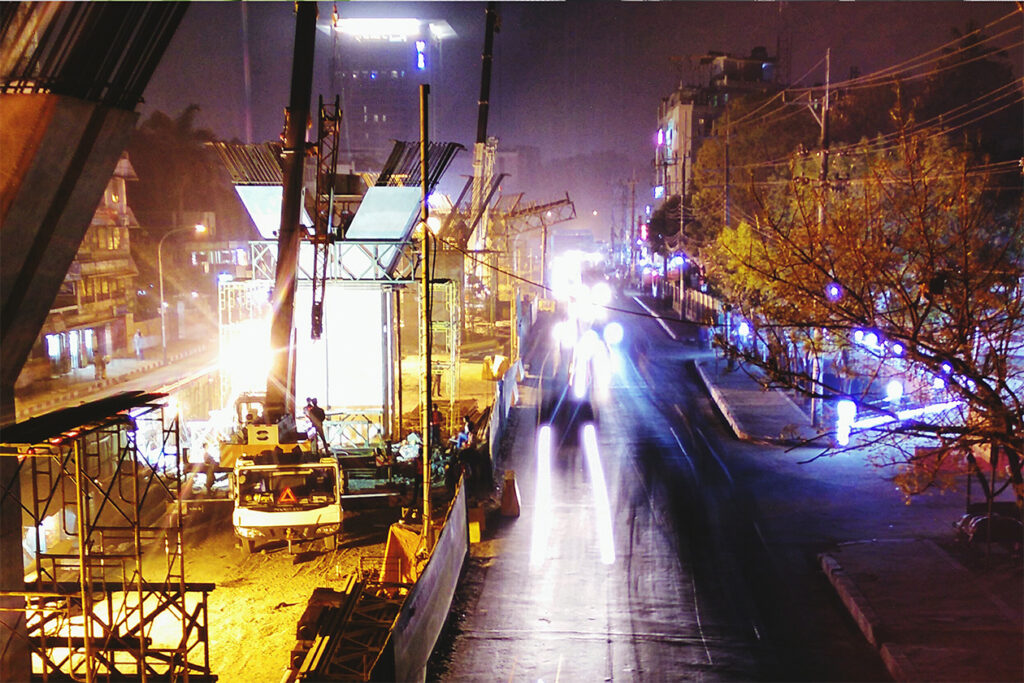
The construction industry’s shift toward 24/7 operations has created unprecedented security challenges that traditional daytime-focused security measures simply cannot address. Night construction work, once limited to emergency repairs and highway projects, now encompasses major commercial developments, infrastructure projects, and urban construction where daytime work disrupts traffic and business operations.
This operational evolution has exposed construction sites to dramatically increased security risks during nighttime hours. Crime statistics show that construction sites experience 300% higher theft rates during overnight hours, with criminals specifically targeting night operations because they assume reduced security presence and slower emergency response times. Professional theft rings have adapted their techniques specifically for night construction operations, using the cover of darkness and legitimate construction activity to mask their criminal activities.
The stakes extend far beyond equipment theft. Night shift construction workers face unique safety vulnerabilities working in isolated environments with limited backup support. A single security incident can shut down operations for days, trigger expensive insurance investigations, delay project timelines, and expose contractors to significant liability claims from workers, clients, and regulatory agencies.
Traditional security approaches fail catastrophically in the night construction environment. Standard security guards cannot effectively monitor sprawling construction sites while maintaining worker safety oversight. Basic camera systems lack the advanced lighting coordination and intelligent analytics needed to distinguish between legitimate work activity and criminal threats. Most critically, conventional security doesn’t integrate with the complex coordination required for safe night construction operations.
Modern night shift construction requires sophisticated security strategies that address multiple simultaneous challenges: worker safety protection, equipment theft prevention, site access control, emergency response coordination, and compliance with stricter safety regulations that govern night operations. Professional construction security systems designed specifically for 24/7 operations provide the comprehensive protection and coordination capabilities that night construction demands.
This comprehensive guide reveals how specialized night construction security systems protect workers, equipment, and operations while ensuring compliance with night work regulations and maintaining the rapid response capabilities essential for safe overnight construction activities.
Understanding Night Construction Security Challenges
Amplified Criminal Threats During Night Operations
Darkness as Criminal Advantage: Night construction creates unique vulnerabilities that criminals actively exploit:
Increased Criminal Activity:
- 300% higher theft rates during overnight construction compared to daytime operations
- Professional theft timing coordinated with shift changes and break periods
- Equipment targeting focusing on high-value machinery left unattended between shifts
- Material theft escalation with criminals using trucks to remove large quantities of materials under cover of darkness
Sophisticated Criminal Methods:
- Legitimate activity mimicry criminals disguising theft as authorized work activity
- Radio frequency monitoring scanning construction communications to identify security gaps
- Shift pattern analysis studying crew schedules to identify optimal theft windows
- Tool and equipment knowledge professional criminals familiar with construction equipment operation and value
Worker Safety Vulnerabilities
Isolated Work Environment Risks: Night construction crews face significantly increased safety and security threats:
Personal Safety Threats:
- Reduced backup support with smaller crews and limited supervision during night shifts
- Isolation vulnerability workers alone in remote areas of large construction sites
- Medical emergency response longer response times for ambulance and emergency services
- Criminal targeting workers carrying tools, equipment, and personal valuables
Operational Safety Complications:
- Reduced visibility even with construction lighting creating dangerous blind spots
- Fatigue factors tired workers making safety mistakes and poor security decisions
- Communication challenges coordinating safety and security across dispersed night crews
- Emergency evacuation more complex procedures during darkness with limited visibility
Regulatory and Compliance Challenges
Night Work Specific Requirements: Night construction operations face stricter regulatory oversight requiring enhanced security coordination:
OSHA Night Work Standards:
- Enhanced lighting requirements coordinated with security camera systems
- Improved communication systems integrating safety and security protocols
- Emergency response procedures adapted for night operations and reduced staffing
- Worker welfare monitoring ensuring crew safety and compliance with night work regulations
Local Ordinance Compliance:
- Noise restrictions requiring security coordination to minimize disturbances
- Time limitations ensuring construction activities comply with local night work permits
- Traffic management coordinating security with road closures and traffic control
- Community relations managing security to minimize impacts on neighboring properties
Specialized Security Solutions for Night Construction
Advanced Lighting Integration with Security Systems
Comprehensive Illumination Strategy: Night construction security requires sophisticated lighting coordination addressing both work needs and security coverage:
Multi-Zone Lighting Systems:
- Work area illumination providing adequate light for construction activities and security cameras
- Perimeter security lighting creating deterrent effect while enabling clear camera coverage
- Emergency lighting ensuring continued security and safety during power outages
- Motion-activated zones conserving energy while providing instant illumination for security events
Camera-Optimized Lighting:
- Infrared compatibility enabling clear night vision camera operation
- Glare reduction preventing lighting from interfering with camera performance
- Shadow elimination coordinating multiple light sources to minimize blind spots
- Color temperature optimization ensuring cameras capture accurate identification details
Energy-Efficient Solutions:
- LED construction lighting reducing energy costs while improving camera image quality
- Solar-powered backup maintaining security lighting during electrical disruptions
- Smart control systems automatically adjusting lighting based on work schedules and security needs
- Generator coordination integrating security lighting with construction power systems
Intelligent Video Analytics for Night Operations
Advanced Detection Systems: Night construction requires sophisticated analytics to distinguish between legitimate work and security threats:
Activity Recognition:
- Work pattern analysis learning normal night construction activities to identify anomalies
- Equipment operation detection distinguishing between authorized and unauthorized machinery use
- Personnel tracking monitoring worker locations and safety compliance
- Vehicle identification recognizing authorized construction vehicles versus potential theft vehicles
Threat Assessment:
- Intruder detection identifying unauthorized personnel during active construction hours
- Tool and material monitoring detecting removal of equipment and supplies
- Safety violation alerts identifying workers in dangerous situations or violating safety protocols
- Emergency situation recognition detecting accidents, medical emergencies, and security incidents
Communication and Coordination Systems
Integrated Safety and Security Communications: Night construction requires seamless coordination between safety and security systems:
Multi-Channel Communication:
- Construction radio integration connecting security monitoring with crew communications
- Emergency alert systems enabling immediate notification of safety and security incidents
- Supervisor notification alerting construction management of security events and safety issues
- Emergency service coordination direct communication with police, fire, and medical services
Worker Safety Integration:
- Panic button systems providing immediate assistance for workers in distress
- Check-in procedures monitoring worker safety and location throughout night shifts
- Buddy system coordination ensuring workers maintain contact and mutual safety oversight
- Evacuation coordination managing emergency evacuations during security incidents
Worker Protection and Safety Monitoring
Personal Safety Surveillance
Comprehensive Worker Protection: Night construction security systems provide enhanced worker safety monitoring:
Individual Worker Monitoring:
- Personal protective equipment verification ensuring workers wear required safety gear
- Lone worker protection monitoring isolated workers and providing emergency assistance
- Fatigue detection identifying workers showing signs of dangerous fatigue or impairment
- Medical emergency response enabling immediate assistance for heart attacks, injuries, and health crises
Team Safety Coordination:
- Crew location tracking monitoring worker positions for safety and emergency response
- Hazardous area alerts warning workers about dangerous conditions or security threats
- Equipment operation safety monitoring safe operation of construction machinery and tools
- Confined space monitoring ensuring safety compliance in trenches, tunnels, and enclosed areas
Emergency Response for Night Operations
Coordinated Emergency Procedures: Night construction requires specialized emergency response capabilities:
Medical Emergency Response:
- Immediate notification alerting emergency medical services and construction supervisors
- Location identification providing precise worker location information to emergency responders
- First aid coordination connecting injured workers with on-site medical personnel
- Evacuation assistance coordinating safe removal of injured workers from construction areas
Security Incident Response:
- Threat assessment evaluating security incidents for appropriate response level
- Law enforcement coordination providing real-time information to responding police officers
- Worker protection ensuring crew safety during security incidents and investigations
- Operations continuity maintaining safe construction activities during security responses
Equipment and Material Protection
High-Value Equipment Security
24/7 Asset Protection: Night construction equipment requires specialized security addressing unique overnight vulnerabilities:
Heavy Equipment Monitoring:
- Immobilization systems preventing unauthorized operation of excavators, cranes, and heavy machinery
- GPS tracking integration enabling rapid recovery of stolen equipment
- Operation monitoring detecting unauthorized equipment use during off-hours
- Maintenance area security protecting equipment during repairs and service periods
Tool and Small Equipment Protection:
- Secure storage monitoring observing tool storage areas and equipment containers
- Inventory tracking documenting tool and equipment movement during shift changes
- Personal equipment security protecting worker tools and personal protective equipment
- Generator and compressor protection securing portable equipment frequently targeted by thieves
Material and Supply Security
Construction Material Protection: Night construction sites contain valuable materials requiring specialized protection:
High-Value Material Monitoring:
- Copper and metal protection preventing theft of valuable electrical and plumbing materials
- Lumber and building supplies monitoring stacks of expensive construction materials
- Specialty equipment protecting HVAC units, electrical panels, and custom building components
- Fuel and chemical security monitoring diesel fuel, concrete additives, and construction chemicals
Delivery and Storage Security:
- After-hours delivery monitoring securing materials delivered during night shifts
- Storage area surveillance protecting material stockpiles and equipment storage areas
- Loading dock security monitoring areas where materials are received and distributed
- Waste and recycling preventing theft of valuable scrap materials and recyclables
Technology Integration for Night Construction
Mobile and Remote Management
Construction Manager Connectivity: Night construction security provides comprehensive remote oversight for project managers:
Real-Time Monitoring:
- Live site viewing enabling project managers to observe night operations from any location
- Progress documentation automatically recording construction activities for progress reports
- Safety compliance monitoring verifying worker safety compliance and OSHA regulations
- Quality control oversight monitoring construction quality and work procedures
Alert and Notification Systems:
- Security incident alerts immediate notification of theft, vandalism, or unauthorized access
- Safety violation warnings alerts for workers not following safety protocols
- Equipment malfunction notifications monitoring construction equipment for operational problems
- Weather alert integration coordinating security with severe weather warnings and responses
Integration with Construction Management Systems
Comprehensive Project Coordination: Night construction security integrates with existing project management and safety systems:
Project Management Integration:
- Schedule coordination aligning security coverage with construction schedules and shift changes
- Progress documentation providing visual records of construction progress for project tracking
- Contractor verification ensuring only authorized personnel and subcontractors access sites
- Compliance documentation maintaining records for safety inspections and regulatory compliance
Safety System Coordination:
- OSHA compliance monitoring documenting adherence to night work safety regulations
- Incident reporting providing detailed documentation for workers’ compensation and safety investigations
- Training verification monitoring compliance with safety training and certification requirements
- Environmental monitoring coordinating security with environmental compliance and protection measures
Regulatory Compliance for Night Construction
OSHA Night Work Requirements
Enhanced Safety Standards: Night construction operations must comply with stricter safety regulations requiring security coordination:
Lighting and Visibility:
- Minimum illumination standards ensuring adequate lighting for both work activities and security cameras
- Emergency lighting requirements maintaining illumination during power outages and emergencies
- Personal protective equipment monitoring compliance with enhanced night work safety gear
- Hazard identification ensuring proper marking and protection of construction hazards
Communication and Emergency Response:
- Emergency communication systems providing immediate contact with emergency services
- Worker accountability maintaining accurate records of worker locations and activities
- Incident response procedures documenting proper response to accidents and emergencies
- Regular safety inspections coordinating security monitoring with safety compliance checks
Local Ordinance Compliance
Community Impact Management: Night construction must comply with local regulations affecting security operations:
Noise Control:
- Sound monitoring ensuring construction activities comply with local noise ordinances
- Equipment operation restrictions coordinating security with limitations on noisy equipment use
- Community notification managing security incidents to minimize community disruption
- Complaint response addressing neighbor concerns about night construction activities
Traffic and Access Management:
- Road closure coordination managing security during temporary traffic diversions
- Pedestrian safety ensuring security measures don’t interfere with sidewalk and crosswalk access
- Emergency vehicle access maintaining clear routes for fire, police, and ambulance services
- Parking restrictions coordinating security with temporary parking limitations and enforcement
Cost-Effectiveness and ROI for Night Construction Security
Direct Financial Benefits
Measurable Return on Investment: Night construction security delivers quantifiable benefits addressing unique overnight risks:
Enhanced Loss Prevention:
- Equipment theft reduction preventing $50,000-$500,000 losses from heavy equipment theft
- Material theft prevention avoiding $10,000-$50,000 losses from copper, tools, and supplies
- Vandalism prevention preventing project delays and repair costs from property damage
- Workers’ compensation reduction preventing incidents that result in expensive injury claims
Operational Efficiency:
- Project timeline protection preventing delays from security incidents and theft-related disruptions
- Insurance cost reduction achieving lower premiums through demonstrated night work safety measures
- Regulatory compliance avoiding fines and penalties from OSHA and local authority violations
- Quality control ensuring construction quality through continuous monitoring and documentation
Risk Mitigation Value
Liability Protection: Night construction security provides crucial protection against various liability exposures:
Worker Safety Protection:
- Injury prevention reducing accidents through enhanced monitoring and emergency response
- Liability documentation providing evidence for workers’ compensation and safety investigations
- Regulatory compliance demonstrating adherence to night work safety requirements
- Emergency response ensuring rapid assistance for medical emergencies and safety incidents
Project Protection:
- Completion guarantee protecting against delays that trigger penalty clauses
- Quality assurance maintaining construction standards through continuous oversight
- Client confidence demonstrating professional security management to project owners
- Subcontractor coordination ensuring all parties maintain security and safety compliance
Implementation Strategy for Night Construction Security
Phased Security Installation
Strategic Implementation for Active Construction: Night construction security requires careful implementation that doesn’t disrupt ongoing work:
Phase 1: Critical Infrastructure Protection
- Main access points securing primary entrances and equipment staging areas
- High-value equipment areas protecting expensive machinery and tools
- Worker safety zones monitoring break areas, restrooms, and first aid stations
- Communication systems establishing emergency contact and coordination capabilities
Phase 2: Comprehensive Site Coverage
- Perimeter monitoring expanding coverage to all site boundaries and access points
- Work area surveillance monitoring active construction zones and material storage
- Vehicle and delivery areas securing truck access, parking, and material delivery zones
- Integration optimization coordinating all security systems with construction operations
Phase 3: Advanced Feature Integration
- Analytics and automation implementing intelligent detection and automated response systems
- Mobile enhancement expanding remote access and management capabilities for project teams
- Compliance documentation implementing comprehensive reporting for regulatory and insurance requirements
- Performance optimization fine-tuning systems based on operational experience and changing project needs
Construction Schedule Coordination
Security Integration with Project Phases: Effective night construction security adapts to changing project requirements:
Foundation and Site Preparation:
- Excavation monitoring ensuring safety around trenches, foundations, and earth moving operations
- Utility protection monitoring electrical, gas, and water installations during night work
- Environmental compliance coordinating security with environmental protection requirements
- Surveying equipment protecting expensive surveying and testing equipment
Structural Construction:
- Crane and lifting operations monitoring safe operation of tower cranes and heavy lifting equipment
- Steel and concrete work ensuring safety during structural installation and concrete pours
- Height work safety monitoring workers on elevated platforms, scaffolding, and building frameworks
- Material hoisting securing construction materials during vertical transportation
Finishing and Systems Installation:
- Interior work monitoring protecting valuable finishing materials and installed systems
- HVAC and electrical protection securing expensive mechanical and electrical installations
- Security system installation coordinating permanent building security with construction security
- Final inspection preparation documenting construction quality and compliance for final approvals
Specialized Night Construction Applications
Highway and Infrastructure Projects
Public Infrastructure Security: Highway and utility projects require specialized night construction security:
Traffic Management Integration:
- Work zone protection monitoring traffic control and worker safety in active roadways
- Equipment positioning ensuring construction equipment placement doesn’t create traffic hazards
- Emergency vehicle access maintaining clear routes for police, fire, and ambulance services
- Public safety coordination working with transportation authorities and law enforcement
Utility Installation Security:
- Underground utility protection monitoring excavation around existing gas, electric, and communication lines
- Equipment security protecting expensive boring, trenching, and utility installation equipment
- Material protection securing underground pipes, cables, and utility installation materials
- Restoration monitoring ensuring proper restoration of roadways and landscaping after utility work
Urban Construction Projects
Dense Urban Environment Challenges: City construction projects require security coordination with complex urban environments:
Neighbor Relations:
- Noise monitoring ensuring night construction compliance with urban noise ordinances
- Dust and debris control monitoring environmental compliance and neighbor impact
- Property protection preventing damage to adjacent buildings and vehicles
- Access coordination managing security while maintaining pedestrian and vehicle access
High-Rise Construction:
- Crane operation monitoring ensuring safe operation of tower cranes in urban environments
- Material delivery securing deliveries in congested urban areas with limited storage space
- Worker transportation monitoring safe worker access to elevated construction areas
- Public safety ensuring construction activities don’t endanger pedestrians or adjacent property
Future-Proofing Night Construction Security
Emerging Technologies
Next-Generation Night Construction Security: Technology continues advancing to meet evolving night construction challenges:
Advanced Analytics:
- Predictive security using AI to anticipate security incidents before they occur
- Behavioral analysis distinguishing between normal work activity and potential threats
- Fatigue detection monitoring workers for signs of dangerous fatigue or impairment
- Equipment predictive maintenance using security cameras to monitor equipment condition and performance
Integration Enhancement:
- IoT connectivity connecting security with construction equipment, tools, and building systems
- Mobile worker apps providing security alerts and emergency assistance directly to worker smartphones
- Drone integration combining aerial surveillance with ground-based security systems
- Virtual reality training using security footage for safety training and incident analysis
Industry Evolution Adaptation
Adapting to Construction Industry Changes: Night construction security must evolve with changing industry practices:
Sustainability Integration:
- Green building compliance coordinating security with LEED and sustainable construction requirements
- Energy efficiency minimizing security system energy consumption during night operations
- Environmental monitoring integrating security with air quality, noise, and environmental compliance
- Waste management securing recycling and waste disposal during night construction activities
Technology Integration:
- BIM coordination integrating security planning with Building Information Modeling systems
- Digital documentation providing comprehensive digital records for project management and compliance
- Remote collaboration enabling off-site project management and client coordination
- Data analytics using security data to optimize construction processes and safety procedures
Securing the Future of Night Construction
Night construction security represents one of the most complex challenges in the construction industry, requiring sophisticated solutions that simultaneously protect workers, equipment, and operations while ensuring compliance with stricter safety regulations and community requirements. As more construction projects move to 24/7 operations to meet urban demands and project timelines, comprehensive night security becomes essential for project success and contractor survival.
The most successful construction companies understand that night security investments deliver returns through multiple channels: worker safety protection, equipment theft prevention, regulatory compliance, insurance cost reduction, and the operational efficiency that keeps projects on schedule and within budget. Modern night construction security systems provide not just protection, but operational intelligence that helps contractors optimize night work procedures, improve safety compliance, and maintain the high performance standards that clients demand.
As construction technology continues advancing and night work becomes increasingly common, comprehensive security strategies become even more critical for competitive advantage. Contractors who invest in professional night construction security today position themselves for long-term market leadership by demonstrating the safety commitment and operational sophistication that major clients require for complex projects.
The key to successful night construction security lies in comprehensive protection that addresses all overnight vulnerabilities—worker safety, equipment protection, regulatory compliance, and community relations—while integrating seamlessly with construction operations and providing the rapid response capabilities essential for safe night work.
Ready to protect your night construction operations with comprehensive security solutions? Contact Monitex Security today for a specialized night construction security assessment. Our construction security experts understand the unique challenges of 24/7 operations and will design a customized system that protects your workers, equipment, and projects while ensuring compliance with night work regulations and maintaining the operational efficiency essential for successful project completion.
Frequently Asked Questions
How does night construction security differ from standard construction site security?
Night construction security requires enhanced lighting coordination, worker safety monitoring, fatigue detection, and integration with active construction operations. Unlike daytime security that primarily prevents unauthorized access, night security must distinguish between legitimate construction activity and security threats while ensuring worker safety in isolated environments.
What are the main security threats facing night construction crews?
Night construction faces amplified equipment theft (300% higher rates), worker safety vulnerabilities from isolation and reduced backup, material theft under cover of darkness, and criminal targeting of crews carrying tools and equipment. Professional theft rings specifically target night operations assuming reduced security presence.
How do security systems integrate with OSHA requirements for night construction?
Professional security systems coordinate with OSHA night work requirements by ensuring adequate lighting for safety and cameras, monitoring worker compliance with enhanced safety protocols, providing emergency communication capabilities, and documenting adherence to night work safety regulations.
Can security cameras work effectively in construction environments with changing lighting conditions?
Yes, professional construction security cameras include advanced low-light capabilities, infrared night vision, and intelligent lighting coordination. Systems adapt to changing conditions from construction lighting, vehicle headlights, and varying work activities while maintaining clear identification-quality footage.
How do you handle emergency response for isolated night construction workers?
Night construction security includes panic button systems, regular check-in procedures, real-time worker location monitoring, and immediate coordination with emergency medical services. Professional monitoring centers provide 24/7 oversight with direct connections to police, fire, and ambulance services.
What’s the typical ROI for night construction security systems?
Night construction security typically shows positive ROI within 6-12 months through prevented equipment theft ($50,000-$500,000 per incident), reduced workers’ compensation claims, insurance premium discounts, and avoided project delays. The combination of loss prevention and operational efficiency often provides 300-500% ROI over project duration.
How do you coordinate security with multiple construction subcontractors working night shifts?
Professional systems include contractor verification, access control integration, communication coordination between different crews, and unified emergency response procedures. Security monitoring adapts to complex scheduling with multiple subcontractors while maintaining comprehensive site protection and safety oversight.