

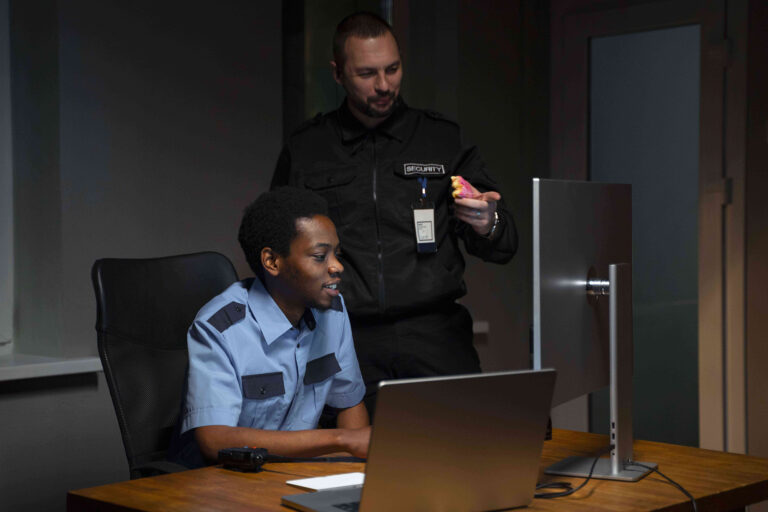
Many business and property owners continue operating with security systems installed 5-10 years ago, unaware that their “protection” has become a liability that compromises safety while wasting money on ineffective technology. The rapid evolution of security technology means systems that were adequate just a few years ago now provide substandard protection while missing opportunities for operational improvements and cost savings that modern systems deliver.
The cost of outdated security extends beyond poor protection. Legacy systems create false confidence while failing to prevent incidents, provide useful evidence, or deliver the operational intelligence that modern businesses require. Meanwhile, criminals adapt their methods to exploit known weaknesses in older systems, making properties with outdated security attractive targets.
Recognizing the warning signs that indicate your security system needs upgrading enables you to transform vulnerability into comprehensive protection while capturing the ROI benefits that modern technology provides.
Sign #1: Your System Only Records, It Doesn’t Prevent
The Passive Recording Problem
The clearest indicator of an outdated security system is passive recording that documents incidents without preventing them. If your system simply records footage for post-incident review rather than providing real-time monitoring and immediate response, you’re operating with obsolete technology that fails to deliver genuine protection.
Passive systems create the illusion of security while providing minimal actual protection. Criminals understand that recording-only systems pose no immediate threat, enabling them to complete thefts and escape before anyone reviews the footage.
Modern Prevention Technology
Contemporary security systems provide real-time monitoring with immediate response capabilities that prevent incidents rather than just recording them. Professional monitoring operators watch live feeds continuously, identify threats immediately, and take action through audio warnings, lighting activation, and law enforcement coordination.
The prevention capability transforms security from reactive documentation to proactive protection, delivering genuine safety that justifies security investments through prevented losses rather than incident records.
ROI Impact of Prevention vs. Recording
Recording Systems:
- Document crimes after they occur
- Provide evidence for insurance claims and police reports
- Generate no direct ROI or loss prevention
- Create false confidence in protection levels
Prevention Systems:
- Stop crimes before completion
- Eliminate losses through immediate intervention
- Generate measurable ROI through prevented incidents
- Provide genuine protection and peace of mind
The financial difference is substantial: a single prevented incident often exceeds annual monitoring costs, while recording systems provide no loss prevention despite ongoing equipment and maintenance expenses.
Upgrade Assessment
If your security system operates primarily as a recording device, upgrading to professional monitoring with real-time response should be your immediate priority. The upgrade typically pays for itself within months through prevented losses while providing genuine protection your current system cannot deliver.
Sign #2: Poor Image Quality and Identification Capability
Resolution and Clarity Problems
Older security systems often produce poor image quality that cannot support identification, prosecution, or insurance claims. Low resolution, poor lighting performance, and inadequate image clarity make footage essentially worthless for security purposes.
Common image quality problems include pixelated footage, poor night vision, inability to identify faces or license plates, and video that becomes unusable when enlarged for detail analysis.
Modern High-Definition Standards
Contemporary security cameras provide 4K resolution with advanced low-light performance, wide dynamic range, and image enhancement that delivers clear identification under all conditions. Modern cameras produce footage that supports prosecution, insurance claims, and detailed incident analysis.
High-definition capabilities include facial recognition, license plate identification, behavioral analysis, and image quality that remains useful when enlarged or enhanced for investigation purposes.
Evidence and Legal Implications
Poor image quality can invalidate security system benefits when evidence is needed for legal proceedings or insurance claims. Blurry, pixelated, or unclear footage may be inadmissible in court or insufficient for insurance claim support.
Modern high-definition systems provide evidence quality that supports successful prosecution, insurance claims, and legal proceedings while demonstrating professional security standards that enhance credibility.
Technology Comparison
Older Systems (720p-1080p):
- Basic resolution with limited detail
- Poor low-light performance
- Inadequate identification capability
- Limited evidence value
Modern Systems (4K+):
- Ultra-high resolution with exceptional detail
- Advanced low-light and night vision
- Clear identification and evidence quality
- Professional-grade documentation capability
The image quality difference is dramatic, with modern systems providing 4-16 times the resolution and significantly better performance under challenging conditions.
Sign #3: Limited Remote Access and Mobile Capabilities
Outdated Access Methods
Legacy security systems often require on-site access or limited remote capabilities that prevent effective management and monitoring. Outdated access methods include systems that cannot be viewed remotely, require specific software or computers for access, or provide limited mobile functionality.
Limited access prevents business owners from monitoring their properties effectively while away, reduces response capabilities during incidents, and eliminates the operational benefits that modern mobile access provides.
Modern Mobile Integration
Contemporary security systems provide comprehensive mobile access through smartphone and tablet applications that enable live viewing, historical review, system control, and instant notifications from anywhere with internet connectivity.
Modern mobile capabilities include push notifications for incidents, live video streaming, camera control, system arming/disarming, and integration with other business management systems for comprehensive remote oversight.
Business Continuity Benefits
Mobile access enables business owners to respond to incidents regardless of location, monitor operations remotely, and maintain security oversight during travel or after-hours periods that previously required physical presence.
Mobile capabilities support business continuity by enabling remote management, reducing required site visits, and providing comprehensive oversight that supports efficient operations and rapid incident response.
Upgrade Impact
Upgrading to modern mobile-enabled systems typically improves business efficiency, reduces management time requirements, and enhances security effectiveness through better oversight and faster incident response.
Sign #4: Frequent System Failures and Maintenance Issues
Reliability Problems
Older security systems experience increasing failure rates as components age, technology becomes obsolete, and maintenance becomes more difficult and expensive. Common reliability problems include camera failures, recording system crashes, network connectivity issues, and component obsolescence.
Reliability issues compromise security effectiveness by creating coverage gaps, system downtime, and maintenance costs that often exceed replacement system pricing.
Modern Reliability Standards
Contemporary security systems use advanced technology with improved reliability, redundant systems, and comprehensive support that ensures consistent operation with minimal maintenance requirements.
Modern reliability includes weather-resistant components, network redundancy, automatic failover systems, and professional support that maintains system effectiveness throughout the equipment lifecycle.
Maintenance Cost Analysis
Older Systems:
- Increasing component failure rates
- Expensive replacement parts
- Limited technical support availability
- Frequent service calls and downtime
Modern Systems:
- Reliable operation with minimal failures
- Standard replacement components
- Comprehensive professional support
- Predictable maintenance costs
The maintenance cost difference often justifies system replacement within 2-3 years, while reliability improvements provide better protection and reduced management burden.
Total Cost Consideration
When calculating replacement timing, consider ongoing maintenance costs, reliability impacts, and opportunity costs of system failures that modern systems eliminate through superior reliability and comprehensive support.
Sign #5: Missing Advanced Features and Integration
Limited Functionality
Outdated systems lack advanced features that modern businesses require including artificial intelligence, behavioral analytics, integration capabilities, and business intelligence that enhance both security and operational efficiency.
Limited functionality means missing opportunities for operational improvements, threat detection enhancement, and business intelligence that modern systems provide as standard features.
Advanced Technology Benefits
Modern security systems include AI-powered analytics, automated threat detection, behavioral recognition, and integration with business management systems that provide comprehensive operational intelligence beyond basic security.
Advanced features include crowd detection, traffic analysis, employee productivity insights, customer behavior analysis, and operational efficiency metrics that support business optimization.
Integration Capabilities
Contemporary systems integrate seamlessly with access control, alarm systems, building management, and business software platforms to provide comprehensive operational oversight and enhanced efficiency.
Integration benefits include unified management, automated responses, comprehensive reporting, and operational intelligence that supports business decision-making and efficiency improvements.
Competitive Advantages
Businesses with advanced security technology often gain competitive advantages through better risk management, operational efficiency, and professional image that supports customer confidence and business development.
Advanced capabilities demonstrate professional management, comprehensive risk assessment, and operational sophistication that differentiates businesses in competitive markets.
The Upgrade Decision Matrix
Cost-Benefit Analysis
Upgrade Triggers:
- Maintenance costs exceeding 40% of replacement cost annually
- System reliability below 95% uptime
- Image quality inadequate for identification
- Missing mobile access and remote capabilities
- Lack of professional monitoring and response
Financial Considerations:
- Prevented losses from improved protection
- Reduced maintenance and support costs
- Insurance premium reductions
- Operational efficiency improvements
- Property value enhancement
Technology Lifecycle Planning
Modern security systems typically provide 7-10 years of effective service with proper maintenance and professional support. Planning upgrades before systems become unreliable ensures continuous protection while optimizing replacement timing.
Lifecycle planning includes performance monitoring, technology advancement tracking, and replacement scheduling that maintains comprehensive protection while optimizing costs.
Implementation Strategy
Phased Upgrades:
- Priority area replacement first
- Gradual system expansion
- Integration with existing components where possible
- Comprehensive replacement when cost-effective
Complete Replacement:
- Comprehensive system redesign
- Modern technology throughout
- Professional installation and integration
- Optimal long-term performance and support
ROI Optimization
Upgrade timing should optimize return on investment by replacing systems before reliability problems compromise protection while capturing operational improvements and cost savings that modern technology provides.
ROI optimization includes maintenance cost analysis, improvement benefit quantification, and timing coordination that maximizes upgrade value while maintaining continuous protection.
Modern System Capabilities You’re Missing
Artificial Intelligence and Analytics
Modern systems provide AI-powered threat detection, behavioral analysis, and operational intelligence that older systems cannot match. AI capabilities include automatic threat recognition, pattern analysis, and predictive insights that enhance both security and business operations.
Professional Monitoring Integration
Contemporary systems integrate seamlessly with professional monitoring services that provide 24/7 oversight, immediate response, and comprehensive incident management that older systems cannot support effectively.
Cloud-Based Management
Modern cloud platforms provide scalable storage, automatic updates, comprehensive reporting, and multi-location management that simplify security management while enhancing capabilities.
Environmental and Safety Monitoring
Advanced systems can integrate environmental sensors, safety monitoring, and emergency response coordination that provide comprehensive facility oversight beyond traditional security applications.
Making the Upgrade Decision
Professional Assessment
Comprehensive professional assessment identifies system limitations, upgrade opportunities, and optimal solutions while providing cost-benefit analysis that supports informed decision-making.
Assessment includes current system evaluation, requirement analysis, technology recommendation, and implementation planning that ensures successful upgrades.
Financing and Implementation
Modern security systems often qualify for financing options that enable immediate implementation with costs offset by operational savings and prevented losses.
Implementation planning includes timing coordination, business continuity maintenance, and training programs that ensure smooth transitions to advanced technology.
Provider Selection
Choosing experienced professional providers ensures optimal system design, quality installation, comprehensive training, and ongoing support that maximizes upgrade benefits.
Provider selection includes capability assessment, experience verification, service quality evaluation, and long-term support commitment that ensures successful implementation.
Frequently Asked Questions
How often should business security systems be upgraded?
Most systems benefit from upgrades every 7-10 years, though rapid technology advancement may justify earlier upgrades for businesses requiring advanced capabilities or experiencing system limitations.
Can older security systems be partially upgraded rather than completely replaced?
Some systems can be enhanced through strategic upgrades, though comprehensive replacement often provides better performance and value than attempting to modernize obsolete technology.
What’s the average ROI timeline for security system upgrades?
Most businesses achieve positive ROI within 12-24 months through prevented losses, operational improvements, and cost savings, with many seeing returns within 6-12 months.
Do insurance companies provide discounts for modern security systems?
Yes, many insurance companies offer premium reductions of 15-35% for modern professional security systems, with additional benefits including reduced deductibles and enhanced coverage.
How do I know if my current system can be integrated with modern technology?
Professional assessment can determine integration possibilities, though systems over 5-7 years old often require significant upgrades or replacement for optimal modern functionality.
What happens to my investment in the current system when I upgrade?
While older equipment has limited resale value, the operational improvements and prevented losses from modern systems typically provide returns that far exceed the sunk costs of legacy systems.
Can I upgrade gradually rather than replacing everything at once?
Phased upgrades are possible and often practical, starting with critical areas and expanding over time while maintaining operational security throughout the process.
Don’t Let Outdated Security Compromise Your Protection
The signs are clear: if your security system suffers from any of these five indicators, you’re operating with outdated technology that compromises protection while missing opportunities for operational improvements and cost savings. Modern security systems provide dramatically better protection, operational intelligence, and ROI that justify upgrades even when older systems appear to function adequately.
The question isn’t whether you can afford to upgrade—it’s whether you can afford to continue operating with vulnerable, outdated security that fails to provide genuine protection while missing the operational benefits that modern technology delivers.
Don’t let outdated security systems compromise your protection and business success. Contact Monitex Security today to learn how modern surveillance technology can deliver superior security, operational improvements, and measurable ROI that transforms your security investment from expense to strategic advantage.