The Future of Business Security
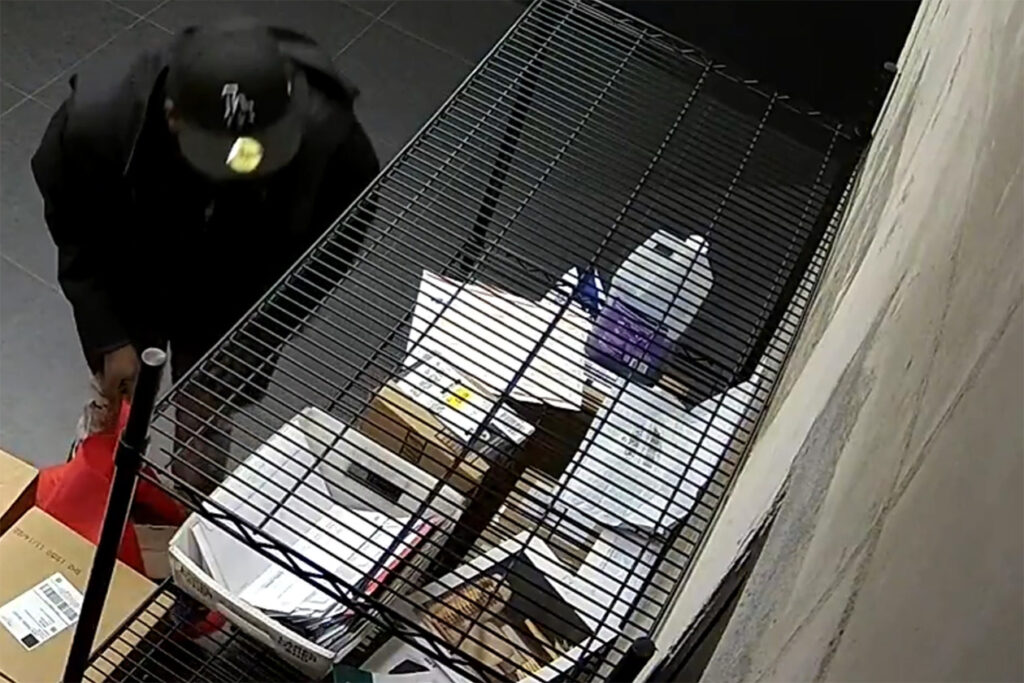
In an era of rising property crimes—FBI data reports a 3.2% increase in 2024—businesses need proactive security solutions to protect assets, employees, and customers. Remote video surveillance has emerged as a game-changer, offering real-time monitoring, AI-driven analytics, and rapid response capabilities that traditional CCTV systems can’t match. Whether you manage a warehouse, shopping center, or construction site, understanding how remote video surveillance works can help you make informed decisions to safeguard your operations.
This blog explains what remote video surveillance is, how it functions, and why it’s a must-have for modern businesses. We’ll break down its components, benefits, and real-world applications, with insights tailored to industries like retail, construction, and property management. Monitex Security’s cutting-edge solutions will serve as a guide to illustrate the power of remote monitoring.
What Is Remote Video Surveillance?
Remote video surveillance is a security system that combines high-definition cameras, AI analytics, and off-site monitoring to detect and respond to threats in real time. Unlike traditional CCTV, which records footage for later review, remote surveillance enables live oversight by trained operators who can intervene immediately—issuing warnings, contacting law enforcement, or dispatching security. Systems like Monitex Security’s integrate cloud storage, mobile access, and advanced technology to provide comprehensive protection.
This approach is ideal for businesses with high-value assets or vulnerable sites, such as warehouses, cannabis dispensaries, or vacant properties. According to a 2024 security industry report, businesses using remote surveillance experience up to 60% fewer incidents than those relying on passive systems.
How Remote Video Surveillance Works
1. High-Definition Cameras with AI Analytics
The backbone of remote surveillance is advanced cameras equipped with AI. These cameras capture high-resolution footage and use algorithms to detect suspicious activity, such as loitering, unauthorized access, or vandalism. Monitex’s cameras, for example, feature motion detection, facial recognition, and license plate reading, reducing false alarms by up to 70% compared to traditional systems.
Example: A retail store in Seattle used Monitex’s AI cameras to identify a repeat shoplifter, enabling police to apprehend the suspect before further losses.
2. Real-Time Monitoring by Command Centers
Footage is streamed to a 24/7 command center, where trained operators monitor feeds in real time. When a threat is detected, operators can issue verbal warnings through camera speakers, contact authorities, or coordinate with on-site security. Monitex’s U.S.-based command center achieves response times under 45 seconds, outpacing competitors like Sirix (90 seconds).
Internal Link: Learn more about our 24/7 monitoring services.
3. Cloud-Based Storage and Access
Footage is securely stored in the cloud, ensuring easy access for business owners and compliance with insurance or regulatory requirements. Monitex uses encrypted cloud storage to protect data from hacking, a feature critical for industries like cannabis, where video retention is mandated.
Statistic: A 2023 study found that cloud-based surveillance systems reduce data loss by 95% compared to local storage.
4. Integration with Other Systems
Remote surveillance systems integrate with access control, alarms, and motion sensors for a holistic security ecosystem. For example, Monitex’s solutions sync with keycard systems to monitor entry points, ensuring only authorized personnel access restricted areas.
Benefits of Remote Video Surveillance
Proactive Threat Prevention: Unlike CCTV, remote surveillance stops incidents before they escalate, reducing losses by up to 60% (2024 industry data).
Cost-Effectiveness: Eliminates the need for on-site security guards, with plans starting at $150/month, competitive with providers like ECAM.
Scalability: Easily add cameras or features as your business grows.
Compliance Support: Meets insurance and regulatory requirements, especially for cannabis or commercial properties.
Tenant/Customer Confidence: Enhances safety perception, boosting retention and satisfaction (78% of customers prioritize security, per a 2024 survey).
Industries That Benefit from Remote Surveillance
Warehouses: Protects high-value inventory from theft and vandalism.
Shopping Centers: Monitors parking lots and storefronts, deterring crime.
Construction Sites: Secures equipment and materials with mobile units.
Cannabis Dispensaries: Ensures compliance with strict video retention rules.
Residential Properties: Enhances tenant safety in apartment complexes.
Discover our industry-specific security solutions.
Choosing the Right Remote Surveillance System
When selecting a system, consider:
Technology: Look for AI-driven cameras and cloud storage, like Monitex’s offerings.
Response Time: Ensure sub-60-second operator response, a Monitex standard.
Customization: Choose providers offering tailored solutions for your industry.
Support: 24/7 technical support and training are essential for uptime.
Ready to see remote video surveillance in action? Request a free demo with Monitex Security to protect your business today.
FAQs: People Also Ask
What is remote video surveillance?
Remote video surveillance uses AI cameras and off-site monitoring to detect and respond to threats in real time, unlike passive CCTV systems.
How does remote video surveillance differ from CCTV?
CCTV records footage for later review, while remote surveillance offers live monitoring, AI analytics, and immediate response.
Is remote video surveillance secure from hacking?
Yes, providers like Monitex use encrypted cloud storage and secure protocols to protect data.
How much does remote video surveillance cost?
Costs range from $150 to $600/month, depending on camera count and monitoring level. Monitex offers competitive plans.
What industries benefit from remote surveillance?
Warehouses, retail, construction, cannabis facilities, and apartments all benefit from its proactive protection.
Can remote surveillance integrate with other systems?
Yes, Monitex integrates with access control, alarms, and motion sensors for comprehensive security.
How effective is remote video surveillance?
It reduces incidents by up to 60%, according to 2024 industry data, by deterring crime and enabling rapid response.
Secure Your Business with Remote Video Surveillance
Remote video surveillance is transforming business security with its proactive approach, advanced technology, and cost-effective solutions. By combining AI analytics, 24/7 monitoring, and seamless integration, Monitex Security delivers unparalleled protection for industries like retail, warehouses, and construction. Don’t settle for outdated systems—upgrade to a solution that prevents crime, ensures compliance, and boosts confidence.
Protect your business with Monitex’s remote video surveillance. Contact us for a free consultation and see the difference today.