24/7 SECURITY
Schools & Campuses
Create a safer learning environment with 24/7 live video surveillance for schools and campuses. Real-time surveillance helps detect unwanted crime to enhance safety within the premises.
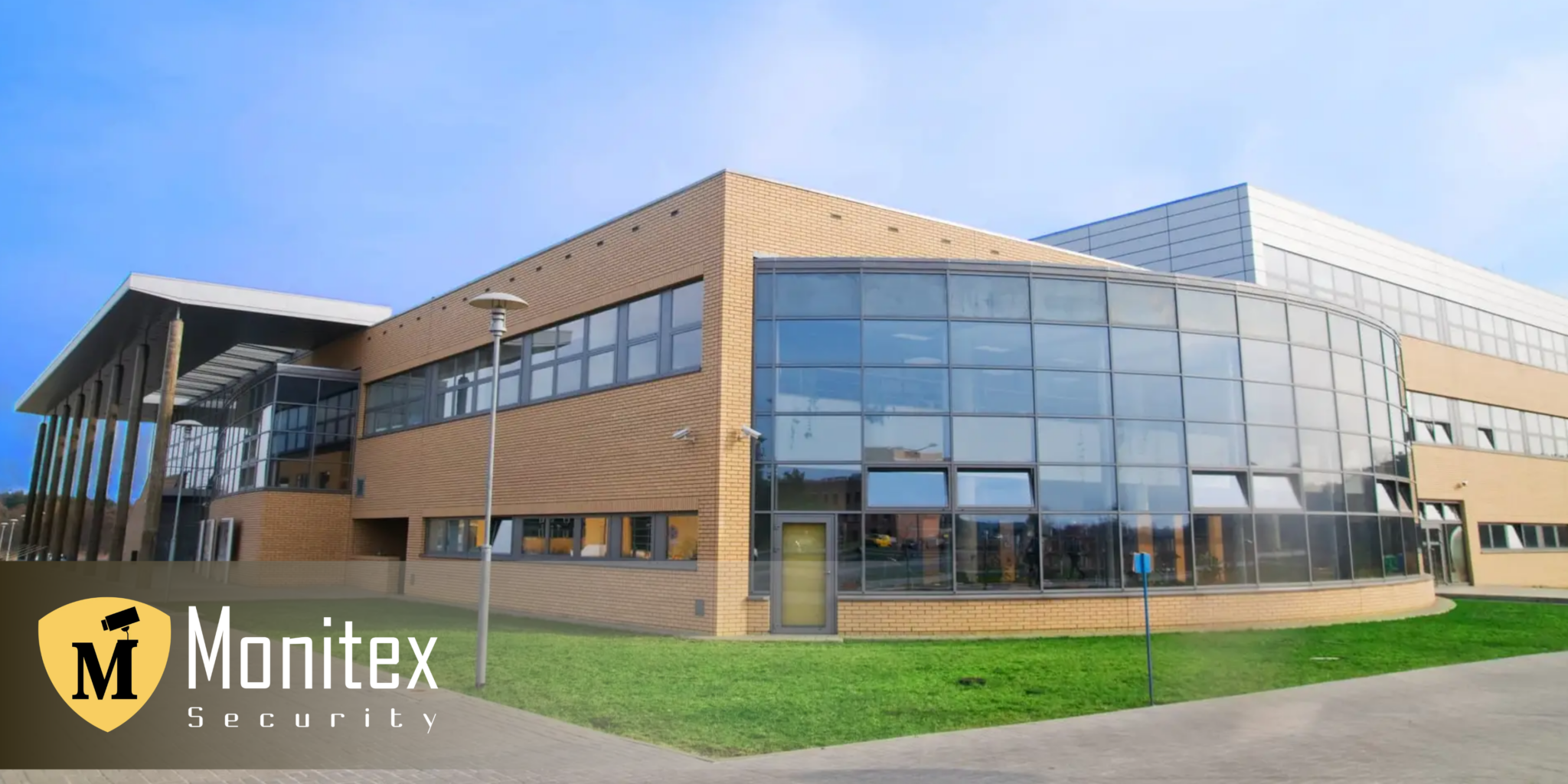
Remote video monitoring for schools means trained operators watch a school’s or campus’s security cameras live from an off-site monitoring center and respond when they see trouble. Monitex Security connects to a school’s existing cameras, adds loudspeakers, and has operators warn trespassers, alert school contacts and call police, especially after hours and on weekends. It’s built for K-12 schools, private schools, colleges and universities that need cameras watched in real time without staffing a control room around the clock.
Key Takeaways
- Most public schools already use security cameras; the gap is having someone watch them in real time.
- Monitex operators watch your feeds live, speak to intruders over loudspeakers and call police when needed.
- Remote monitoring backs up school staff and school resource officers; it doesn’t replace them.
- Under FERPA, a federal law, footage that shows students can be an education record, so set a clear footage policy.
- Monitex works with your existing cameras, and setup takes a few hours to a few days.
Remote Video Monitoring for Schools and Campuses
Schools have more cameras than ever, but cameras don’t respond to anything. A side door propped open at 7 p.m., a group climbing onto the roof on a Saturday, or a stranger walking the parking lot during dismissal only matters if someone sees it in time.
Remote video monitoring for schools from Monitex puts trained operators behind your cameras. They watch live, speak up over loudspeakers, contact your designated staff and call police while there’s still time to act.
Contact For Inquiry to plan coverage for your school or campus in a free consultation.
Why Cameras Alone Don’t Keep a Campus Watched
Security cameras are now a standard part of a school security system. In the 2021–22 school year, 93% of U.S. public schools reported using security cameras to monitor the school, up from 61% in 2009–10, according to the National Center for Education Statistics.
Recording is only half the job. The Cybersecurity and Infrastructure Security Agency’s K-12 School Security Guide says CCTV contributes to detecting threats “provided that someone on campus consistently monitors camera video feeds in real time.” It also points schools to the availability of staff to monitor technologies such as CCTV in real time.
That’s hard for most schools. Office staff, teachers and administrators have full-time jobs, and nobody is on site overnight, on weekends or over the summer. Remote operators give you that real-time attention without pulling staff away from students. The goal is someone watching who can alert your team the moment something looks wrong.
The solution: 24/7 Remote Monitoring
With every angle covered by our vigilant team, we prevent damage and theft, and keep track of every visitor’s entrance and exit, so your staff, students and property are kept completely secure.
At a fraction of the price of employing security guards, remote video surveillance is budget-friendly, no matter the size of your institution.
Beyond typical security scenarios, our virtual surveillance also provides a deterrent for internal damage and vandalism, recorded video playback for later reference, and insight into student habits and behaviors.
No Downtime
With shifts of highly trained virtual guards observing the screens every hour of the day, your institution is never exposed. Day or night, any time of year, your campus is under our watchful eyes.
Where Our Operators Focus on School Grounds
Every campus is different, but most share the same weak spots:
- Main entrances and visitor doors. Who arrives, when, and whether they head to the front office.
- Side and rear doors. Doors propped open, people slipping in behind someone else, or exits used after hours.
- Parking lots and drop-off loops. Vehicles that don’t belong, loitering near buses, and break-ins during games and events.
- Athletic fields, gyms and playgrounds. After-hours trespassing, vandalism and people using facilities without permission.
- Roofs, loading docks and maintenance areas. Climbing, equipment theft and deliveries outside normal hours.
- Perimeter fences and gates. People cutting through school property or entering when the campus is closed.
College campuses add residence hall entrances, open quads, labs and libraries, and parking garages used by students late at night. We tailor campus video surveillance to the way your buildings are actually used.
From First Sign to Police Call: How Operators Act
When an operator sees something that needs attention, the response moves in steps:
- Look closely. The operator checks the live view and nearby cameras to understand what’s happening.
- Use the loudspeaker. A live voice tells the person they’re on camera and that they need to leave or stop.
- Reach your contacts. Your principal, facilities manager, campus security office or on-call contact gets a call with the details.
- Bring in police. If the person doesn’t leave or anyone is at risk, operators dispatch law enforcement, stay on the cameras and work closely with the police department.
K-12 Schools and College Campuses Have Different Needs
K-12 schools are busiest during a fixed school day and almost empty the rest of the time. Daytime monitoring focuses on entrances, visitor flow and dismissal. Nights, weekends and breaks are when nobody is there to see vandalism, break-ins or trespassing on fields and roofs.
Colleges and universities run on a different clock. Students are on campus late, buildings are spread out, and public areas stay open to visitors. College campus security monitoring has to cover a larger area with more entry points, often alongside a campus police or public safety department. Remote operators extend that team’s reach across cameras they can’t watch all at once.
Private schools, charter schools and districts often sit somewhere in between, with smaller security budgets and campuses used for evening events, sports and community programs.
Simple Set-up
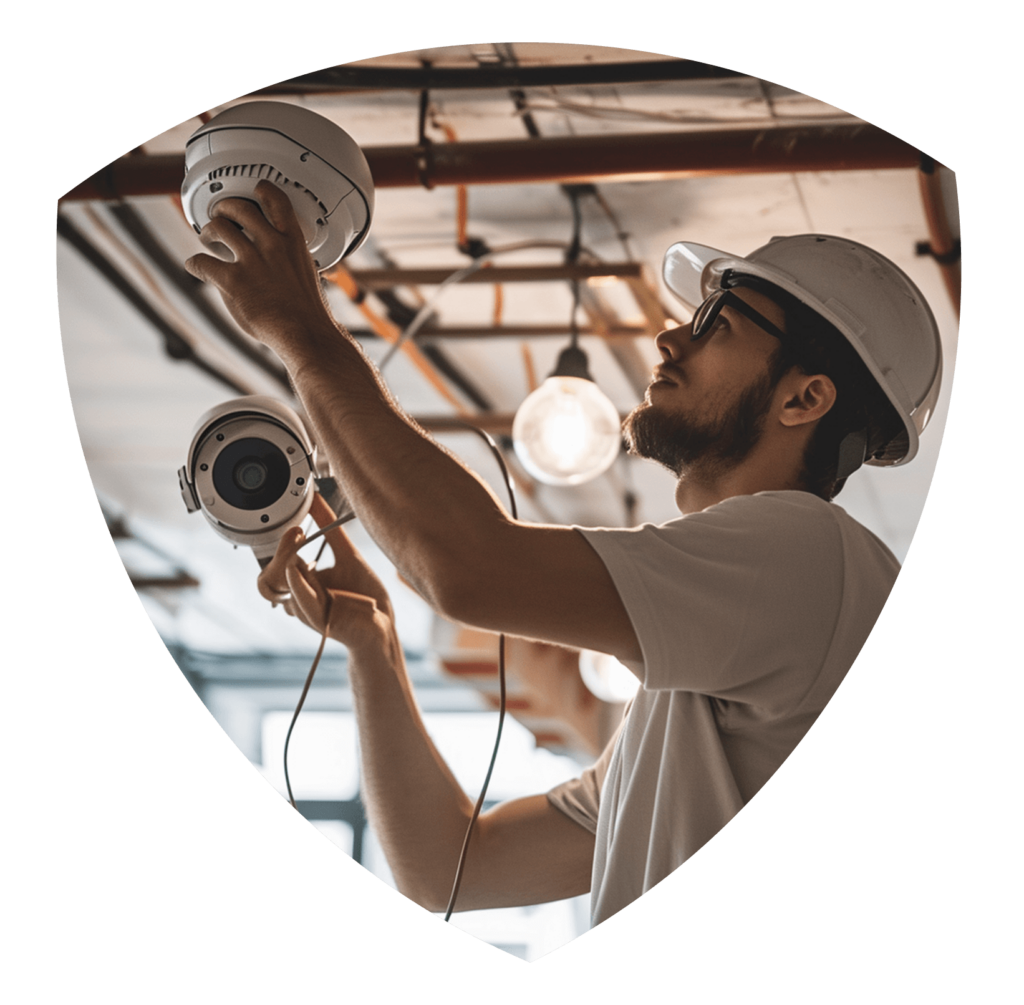
Getting started with Monitex security can be a matter of a few hours, and never more than a few days.
Quote
Our team analyzes your premises and any existing security measures, giving you a custom quote for a strong surveillance plan.
Install
Our technicians install speakers (and more cameras if necessary), connect your CCTV and configure it to integrate with our state-of-the-art system.
Stream
Streaming continuous live footage from your school, our remote guards monitor access and watch out for threats and suspicious activity.
Secure
If any threats are detected, they’ll issue warnings via loudspeaker, dispatch law enforcement where necessary and communicate closely with the police department to apprehend the criminals efficiently.
Relax
With the peace of mind that your premises are secure and protected, you’re free to dedicate yourself fully to your students’ education.
Student Privacy and FERPA
School video raises privacy questions that other industries don’t face. The Family Educational Rights and Privacy Act (FERPA) is a federal law, so it works the same way in every state. It covers schools and colleges that receive funds under a U.S. Department of Education program, including through student aid. That takes in public schools and most colleges, but some private K-12 schools fall outside it.
Under FERPA, a video is an education record when it’s directly related to a student and maintained by the school. The U.S. Department of Education gives the example of a hallway video showing two students fighting that is used for discipline.
That has practical consequences:
- Parent requests. When a video is an education record, FERPA generally lets the parent of a student it directly relates to inspect and review it, or be informed of its content.
- Police requests. If footage is an education record, a school can’t simply hand it to police on request. It needs consent or an exception, such as a health or safety emergency or a subpoena.
- Outside providers. A contractor can be treated as a school official only under the conditions in 34 CFR §99.31(a)(1), including that it works under the school’s direct control for the use and maintenance of education records.
Your district’s counsel or privacy officer should decide how monitoring fits your FERPA policies. Monitex will work within the footage-handling terms you set. Keep cameras out of restrooms, locker rooms and other private areas.
Working Alongside Staff and School Resource Officers
Remote school security monitoring is a support layer. Your front office still controls visitor check-in, and your school resource officer, campus police or security staff still respond in person. Operators add eyes on the cameras those people can’t watch while they’re busy, and they cover the hours when nobody is on site.
For many schools, that’s the difference between hiring overnight guards and having trained operators watch the cameras instead. Live monitoring costs a fraction of the price of employing security guards, whatever the size of your institution.
What Schools Get With Monitex
- Every hour covered. Shifts of highly trained operators watch the screens day and night, all year, including summer break.
- A fraction of guard costs. Remote monitoring is budget-friendly, whatever the size of your campus.
- A deterrent to vandalism. Actively watched cameras deter damage and vandalism, and recorded video is available for later review.
- No rip-and-replace. We connect the cameras you already own and add new ones only where coverage is missing.
Learn how our monitoring center works on the live video monitoring solutions page, and see our parking lot monitoring for campus lots and garages.
Get reliable, affordable security your educational institution.

Remote Video Monitoring for Schools FAQs
Do schools actually watch their security cameras?
Not always in real time. Federal data shows most public schools use cameras, while CISA notes that cameras help detect threats only when someone consistently monitors the feeds in real time. Remote monitoring provides that attention.
Can parents see school security camera footage?
At schools covered by FERPA, if a video is an education record of their child, the law generally gives parents the right to inspect and review it, or be informed of its content. Schools may need to redact other students. Your counsel should guide each request.
Does remote monitoring replace our school resource officer or security staff?
No. Operators watch the cameras and call for help; your staff and officers respond on site. Monitoring adds coverage, especially after hours.
Will it work with our existing school security cameras?
In most cases. We connect your current CCTV to our system and add loudspeakers. Cameras with poor views or night performance can be repositioned or replaced during setup.